

Velduro Rogue: Building and Testing a Prototype
A Kiwi-inspired, long-travel, rocket-powered superbike, set to disrupt the eMTB market
Words & Images: Neil Kerr
When we profiled Velduro Bikes earlier this year, the company was still in its early stages but their ambitions were clear: to disrupt the increasingly bloated eMTB market with a bike built from the ground up by riders, for riders. The concept was to centre on the frame—not the brand—and wrap it around DJI’s exciting new Avinox motor. It would be tested locally, refined by feedback, and released as a frame-only option at a price designed to challenge the industry’s major players.
At that time, Velduro’s Phantom gravel bike had just taken out the Gold Award for Creative Product at the China Cycle show. But it was the 3D-printed mock-up of their next project—the Rogue enduro eMTB—that captured wider attention. Built around a high-pivot suspension layout, and the new Avinox drive system, it represented a high-spec, rider-focused platform developed outside the usual industry channels.
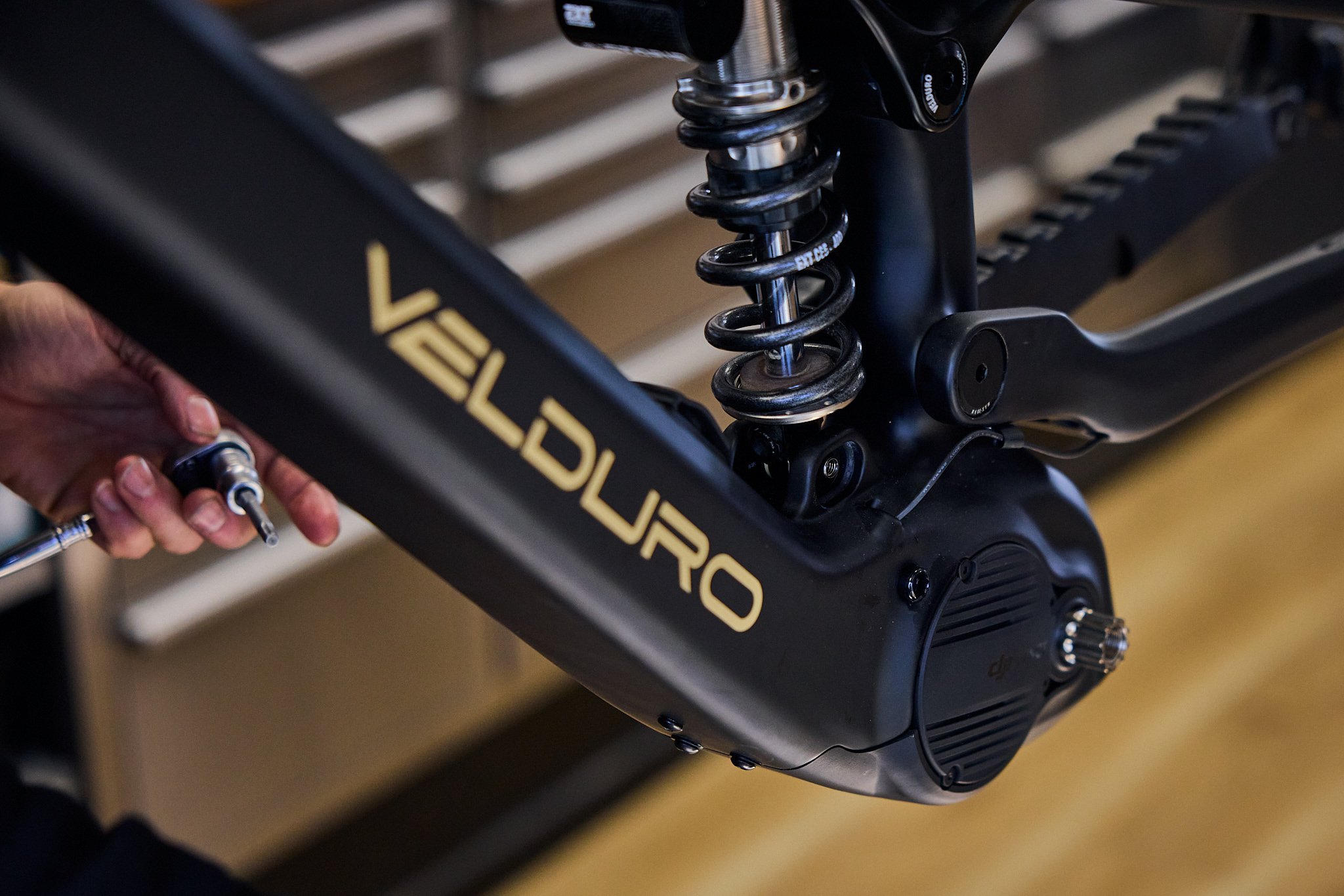
After those initial conversations with Velduro co-founder Dan Wallace, he offered us the opportunity to be part of the development process. One of four prototype frames coming to New Zealand would be sent to us to build, test, and push on our local trails, with our feedback going into the final production design. It was an open collaboration with clear parameters: ride hard, report back, and don’t sugarcoat the results–we jumped at the opportunity.
As Dan explained, the Rogue was not being soft-launched—it was being stress-tested. “We want to be really open that the Rogue prototypes are a work in progress,” he said, “but we’re gonna thrash the shit out of it here in New Zealand and find out if there are any issues before production.”
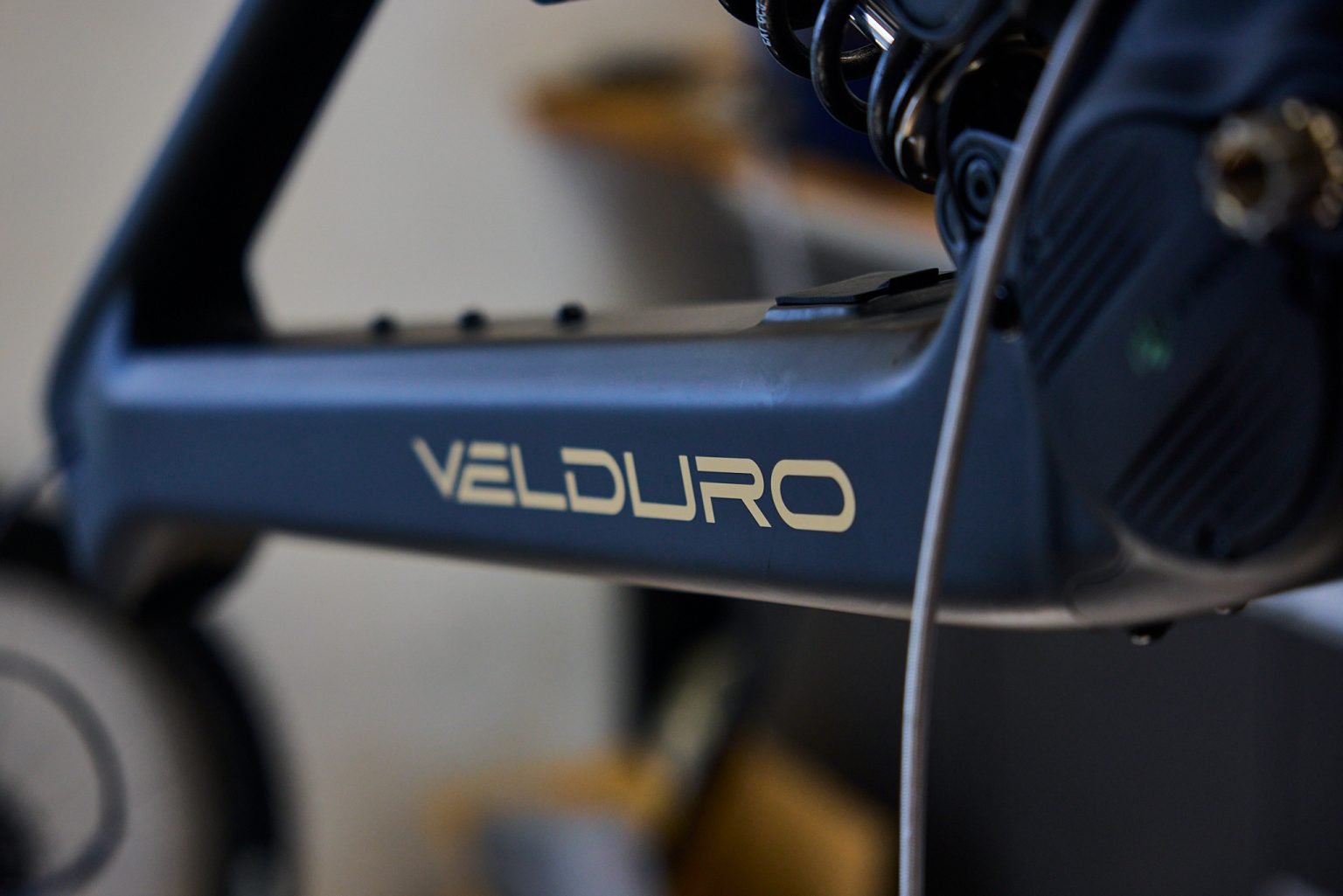
By early August, the frame arrived. Inside the box was a pre-production Rogue chassis equipped with DJI’s Avinox M1 motor and 800Wh battery. Also included were some early field updates from the Rotorua-based test bikes which had been on the trails, a couple weeks ahead of us—namely, a harder-wearing idler wheel and longer shock bolts. The Rogue was already being refined based on rider feedback and real-world testing.
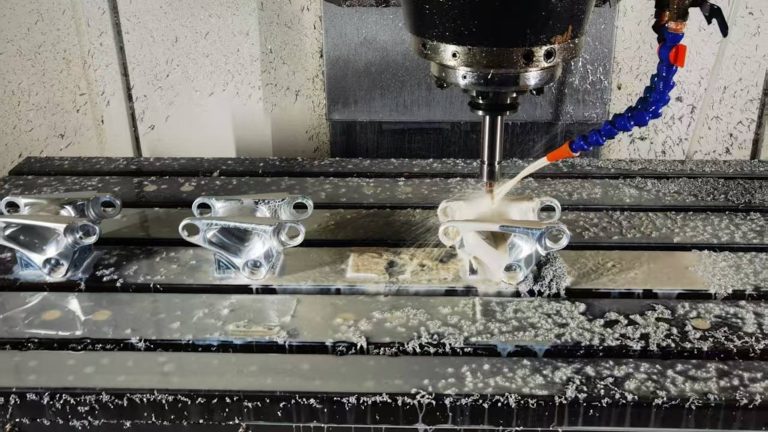
“…we’re gonna thrash the shit out of it here in New Zealand and find out if there are any issues before production.”
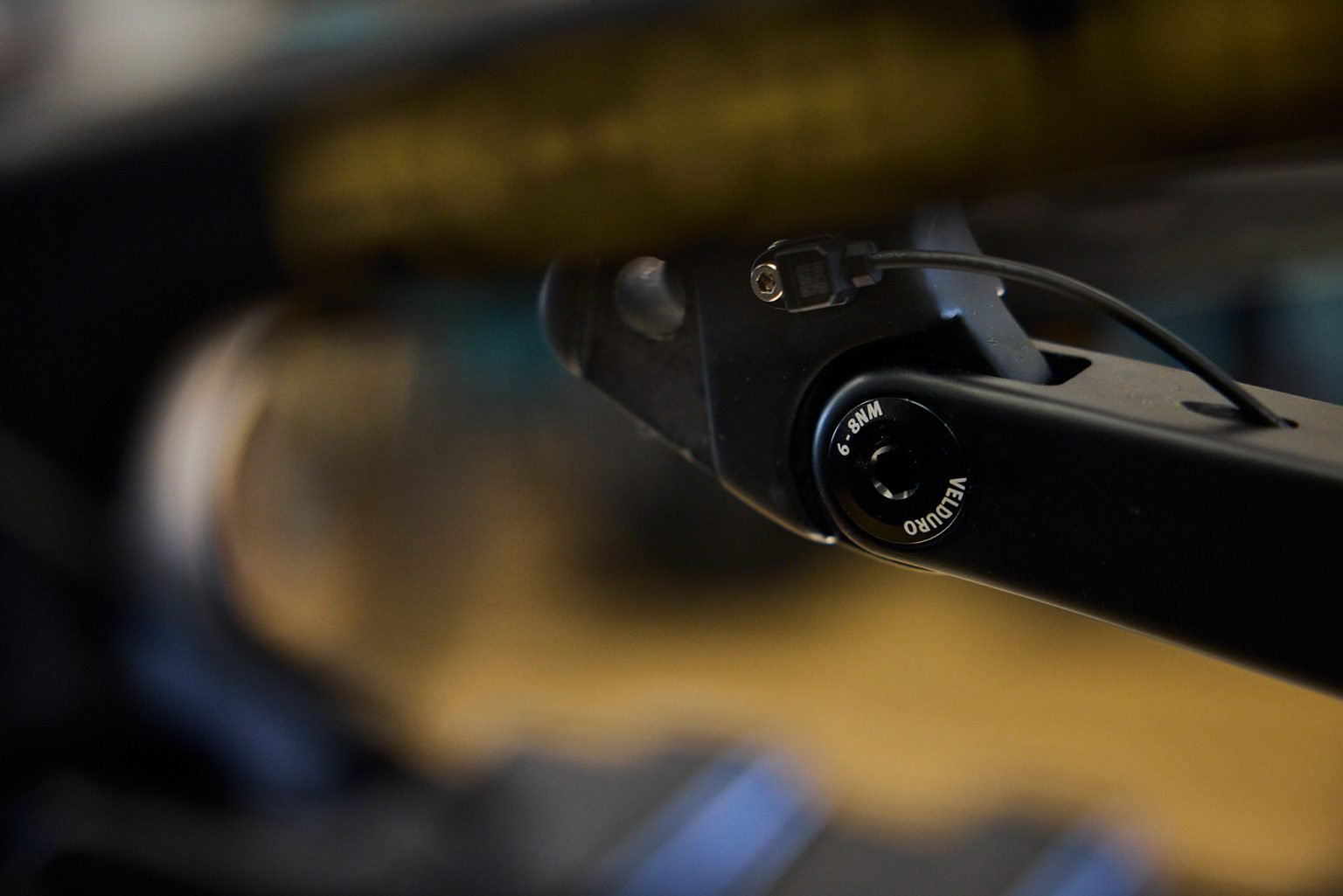
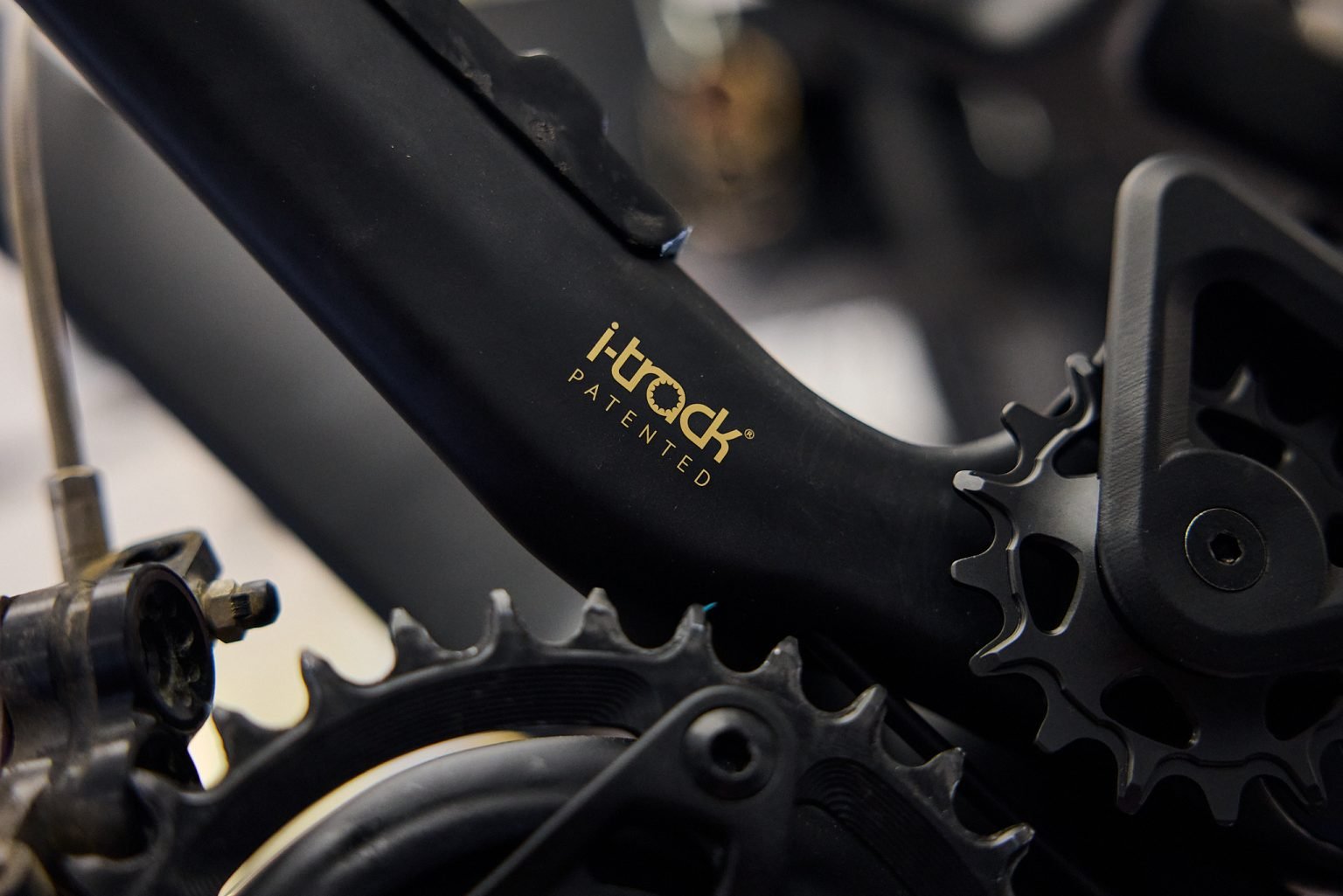
The Build
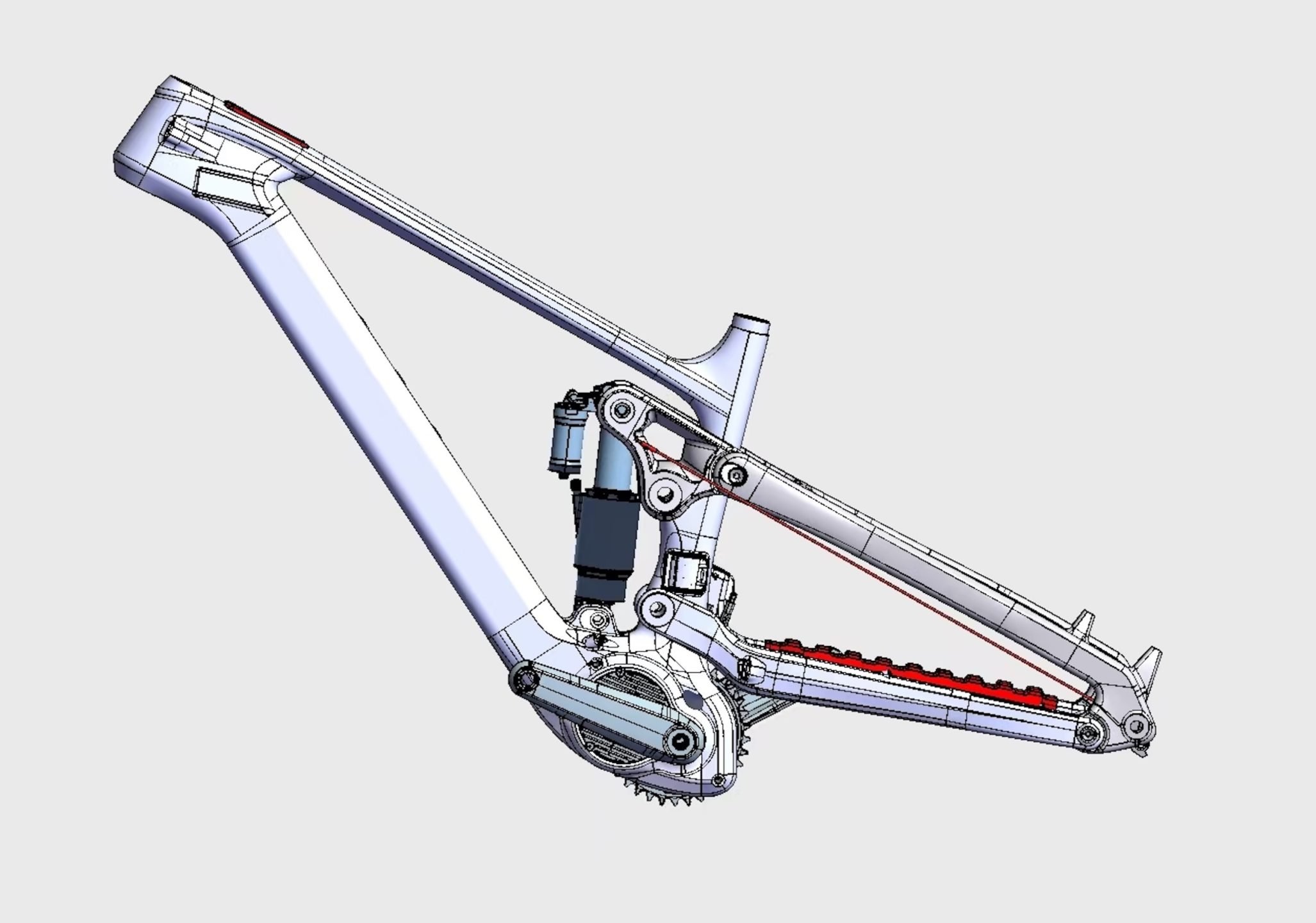
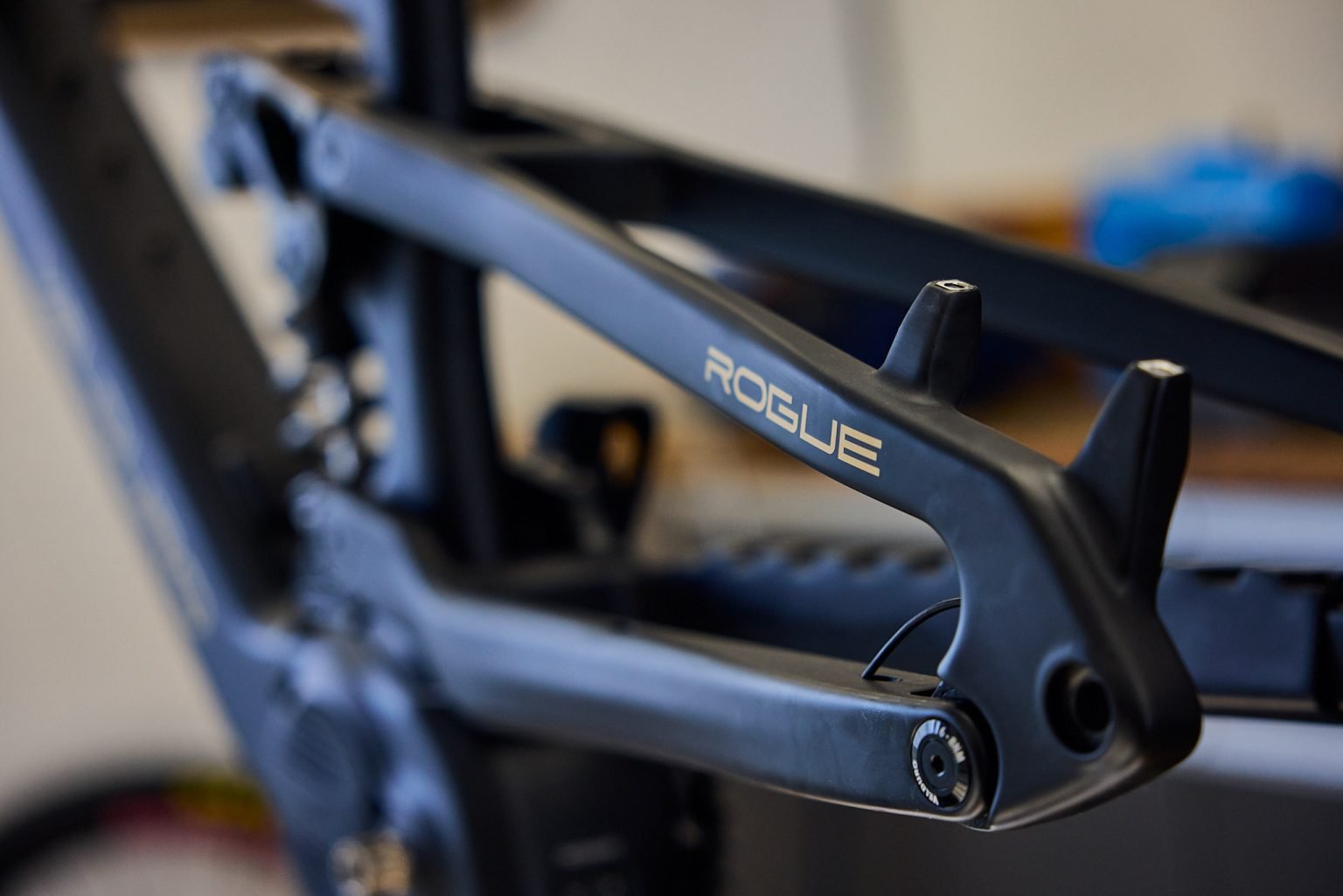
My first problem however was deciding how to configure the Rogue as the engineers at Velduro had designed the frame with adaptability in mind. A flip chip on the seat stay linkage bolt gave me the option of running the Rogue as straight 29er or tweaking it to the more playful mullet option. After a chat with Dan and some feedback from the early test riders up North I decided on the mullet option. This worked out perfectly as after digging through the spare wheels in my shed I found a Wheelworks Enduro Lite mullet wheelset buried at the back. Sometimes a bit of luck helps shape a build decision.
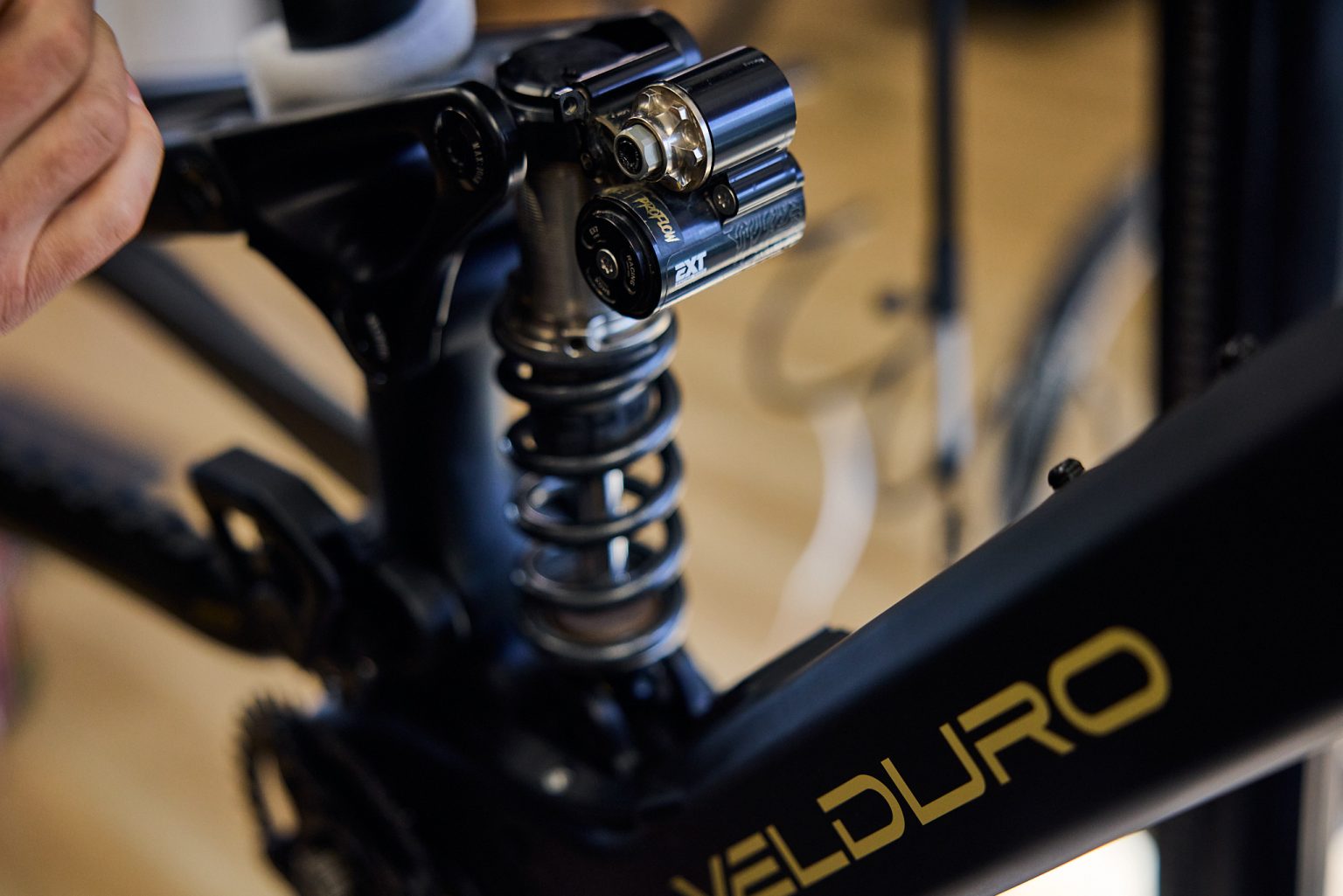
Next up was suspension choice. The Rogue is designed around a 205mm trunnion shock mount and can be run forks from 160mm to 180mm. The rear travel depends on shock stroke: 65mm provides up to a burly 172mm of rear travel, while 62.5mm pulls it back to a sportier 160mm. Given it was mid-winter in the South Island and many trails were either slow or still partially closed, I opted for the shorter nimbler travel setup—160mm front and rear—utilising a RockShox Pike Ultimate fork and an EXT E-Storia coil shock from another bike.
Another reason I chose the smallest travel configuration was that it seemed like a good counterpoint to the longer travel builds being tested in drier North Island conditions. While others were exploring the Rogue’s capacity for high-speed, big-hit terrain, I’d be focusing on the bike’s responsiveness in tighter, slower, more technical trail environments.
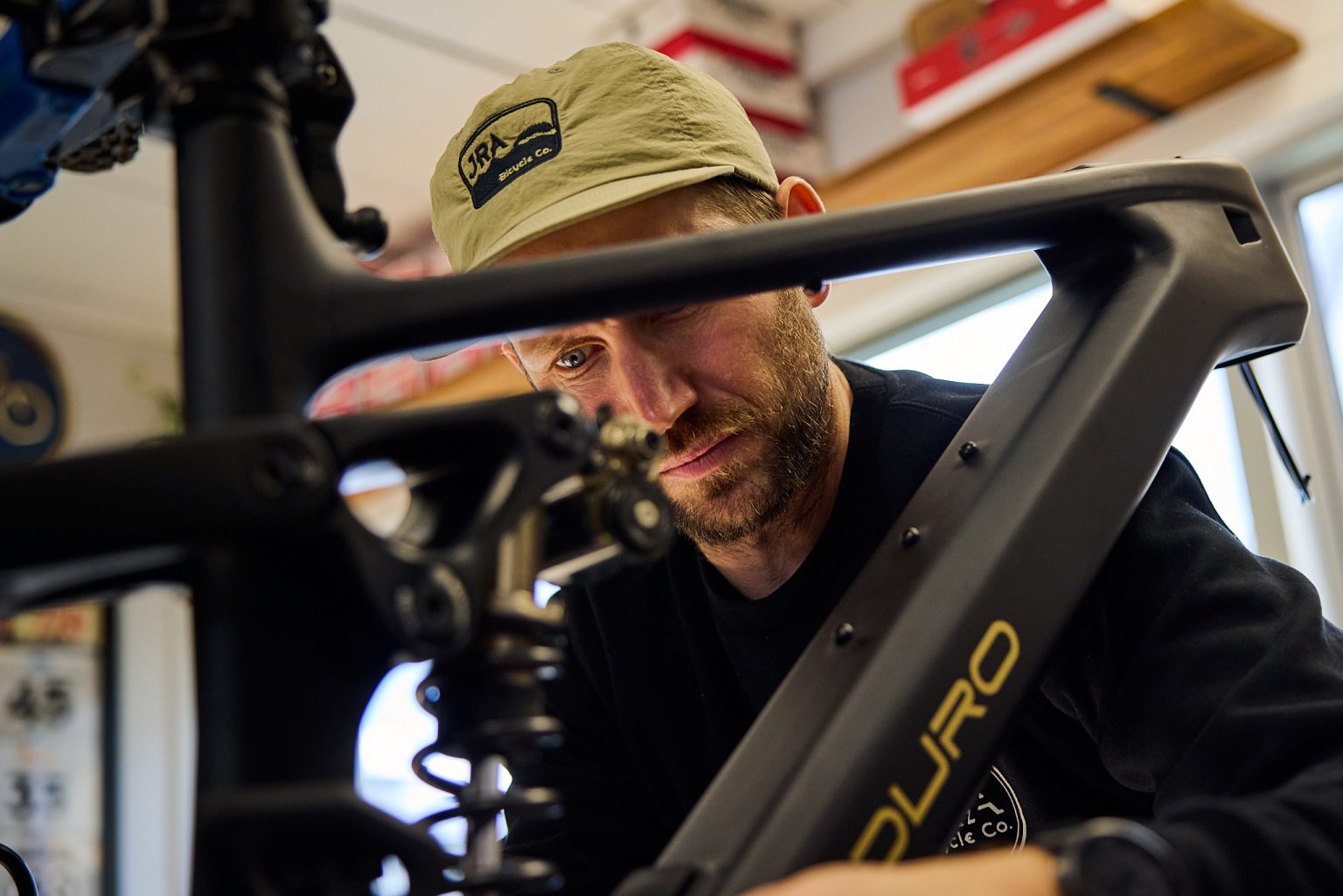
I took the frame and parts to JRA Cycles here in Wānaka. With the frame in the stand mechanic Alex and I spent time assessing the prototype frame’s construction. Despite being a pre-production model, the carbon layup and overall finish were of a very high standard. Clean lines, no rough edges, and nothing that felt rushed. For a prototype, it looked remarkably resolved.
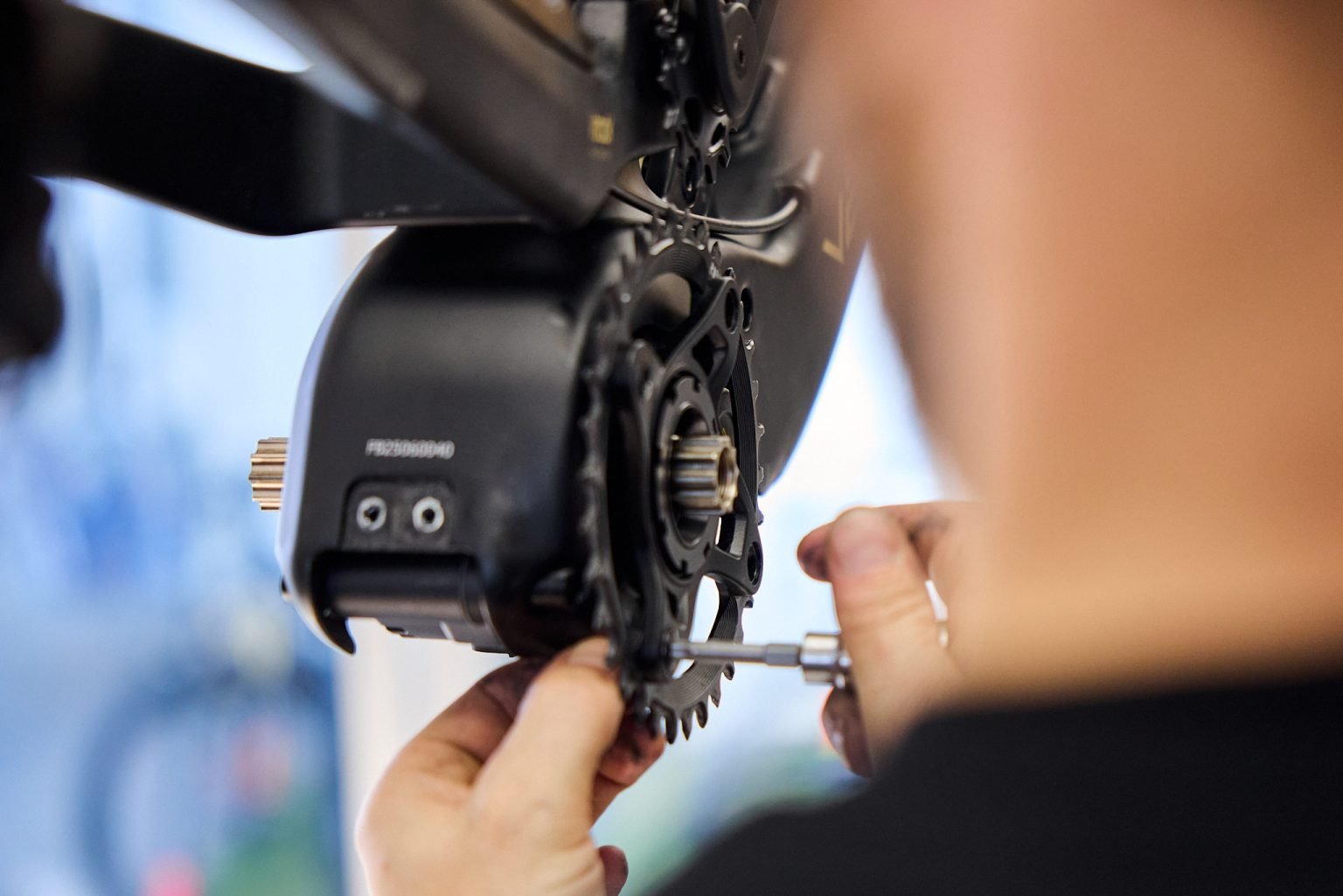
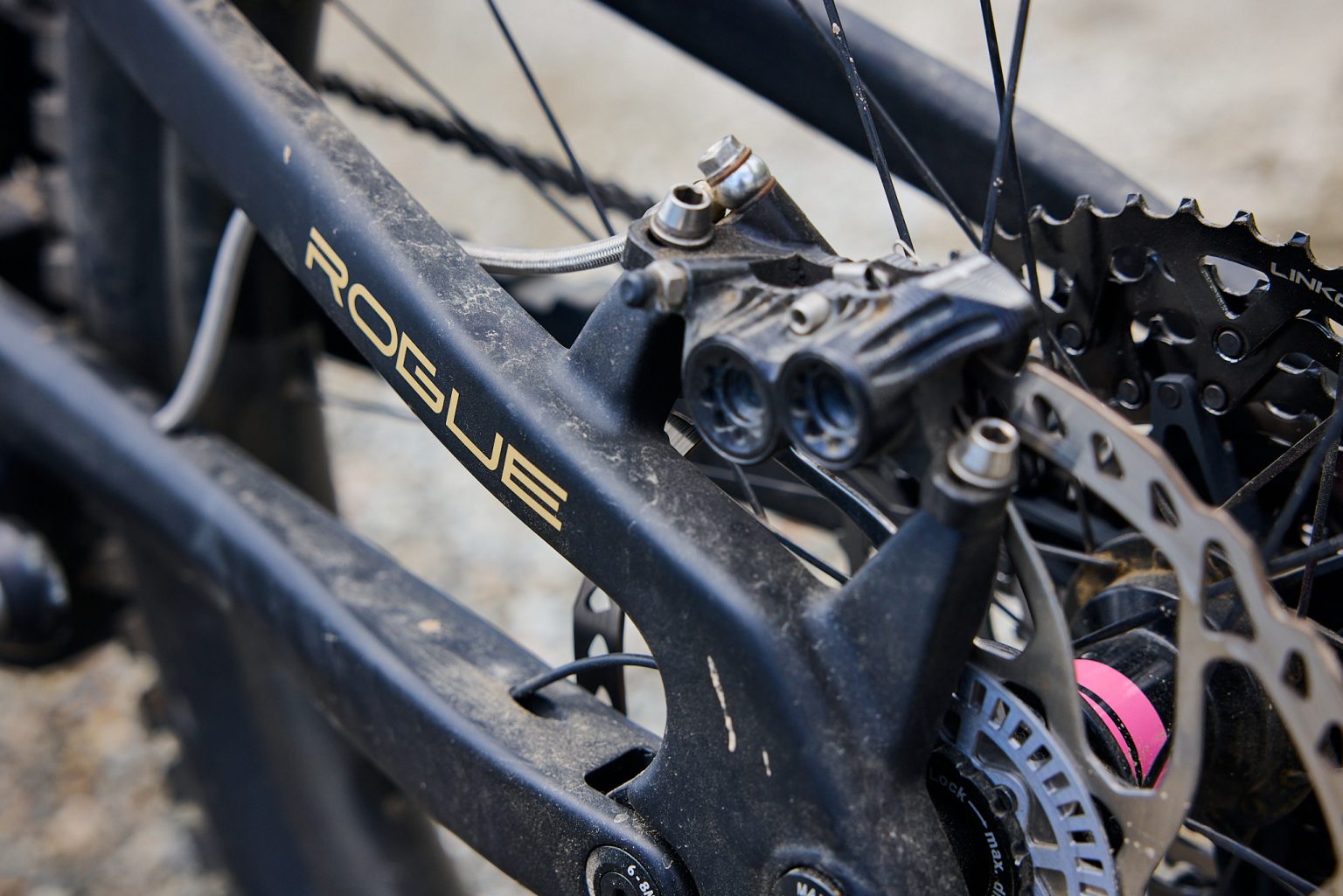
Along with the wheelset, fork and shock I’d found a bunch of my other go-to parts in the shed; Hope E4 brakes and a set of One Up Carbon bars plus a Raceface seatpost that would work well to get me up and running.
Alex started into the build and things took shape quickly, his only gripe was that routing the brake and dropper post cables through the frame was time-consuming and that pre-threaded internal channels would be a great addition. When I passed this on to Dan, he laughed and said that was already all in hand and the production model would be fully channel routed for ease of fitting and noise reduction–another refinement made in real time.
The Rogue was coming together, but the one area I was still debating was the drivetrain. After exclusively riding eMTBs for the last three years, I’ve become a diehard fan of SRAM’s T-Type AXS system. The shifting is effortless, even under load, and it’s arguably the ideal setup for an e-bike like this.
But with no spare AXS kit in the shed (and the cost of a fresh one giving me pause), I started weighing up alternatives with Alex. Our conversation turned to some interesting posts from Brad Kelly—ex-World Cup mechanic—who’s been testing an Avinox-powered Amflow bike. While he’d been impressed by the motor’s hefty power output, he’d also noted accelerated chain and cassette wear, and some gear slippage, after only a couple of hundred kilometres on a 12-speed setup.
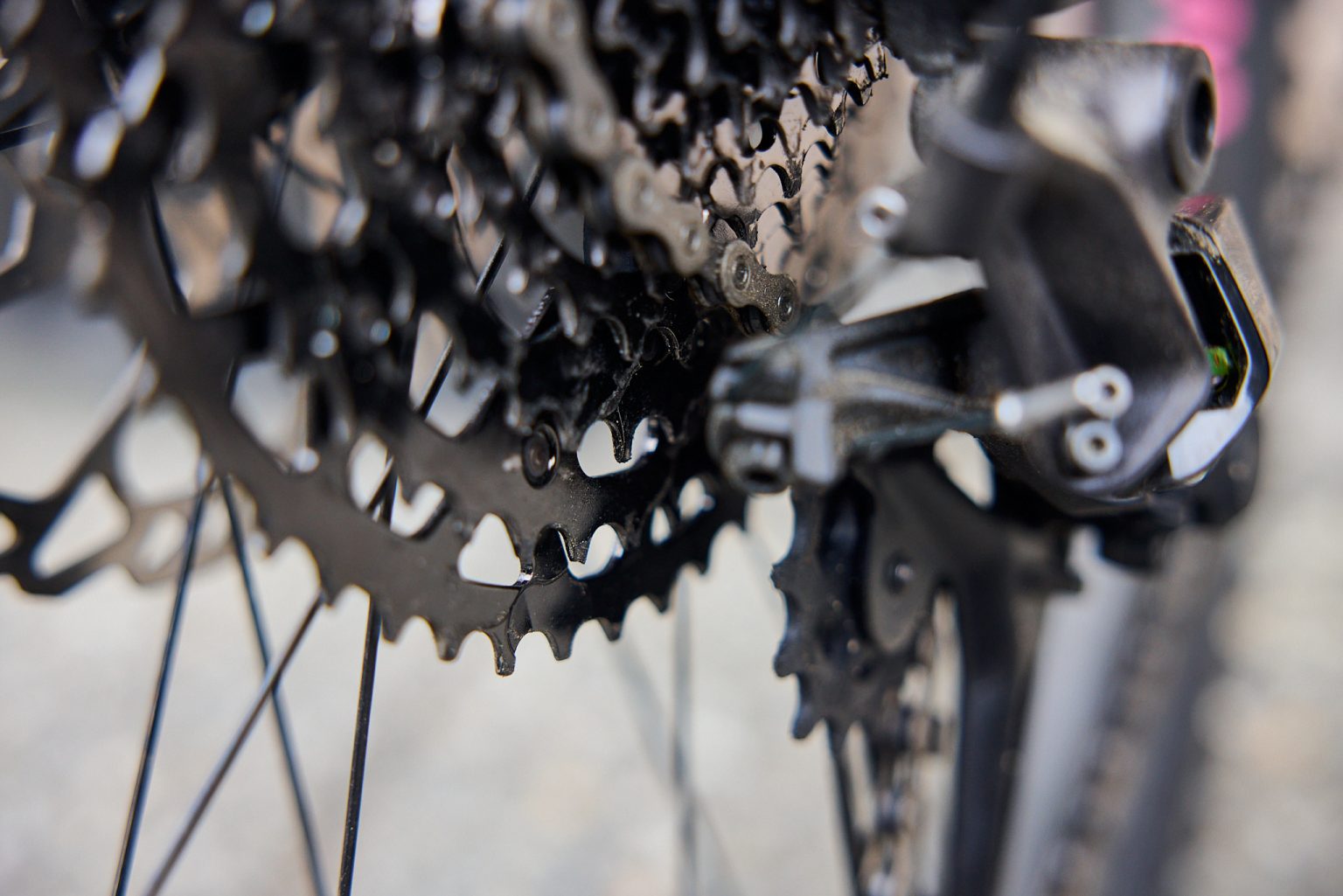
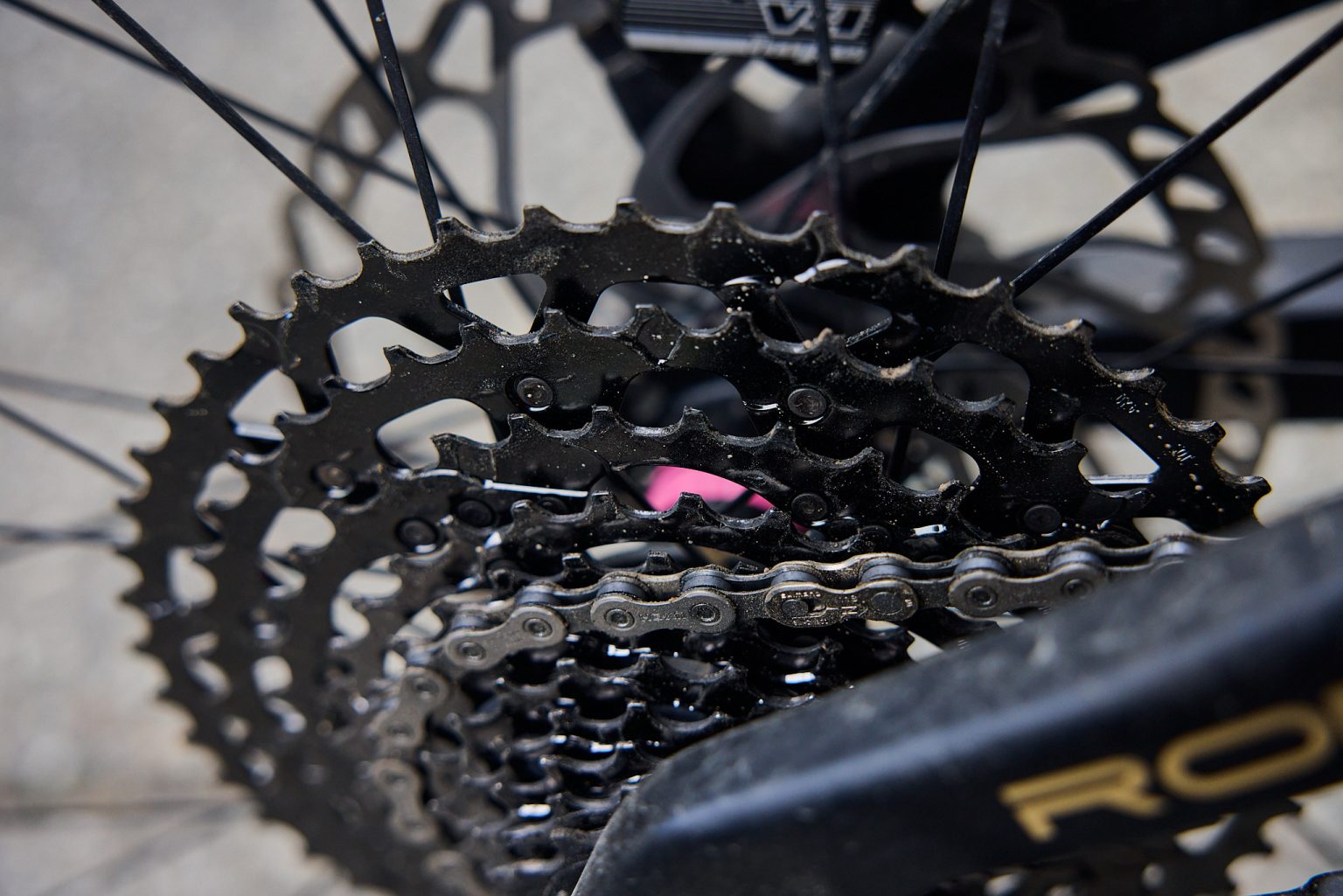
Given that, and the fact this build is very much part of a testing process, we decided to go a different route and try Shimano’s XT 11-speed LinkGlide mechanical drivetrain. It’s heavier and less refined than the more premium offerings, but it’s designed specifically for longevity and eMTB abuse. The 11–50T cassette uses durable steel cogs and a modular layout which allows for easy replacement of the smaller sprockets—the ones that typically wear first on eMTBs. The full setup—cassette, derailleur, shifter and 138-link e-bike chain—came in around NZ$650 retail, which is considerably cheaper than the lighter weight, electronic versions.
I know plenty of riders will be drawn to the wireless convenience of top-end drivetrains and their ability to integrate into the DJI battery and while I completely understand that and run similar setups on other bikes. I felt this build was about testing alternatives. Would a mechanical drivetrain hold up under Avinox’s power delivery? Would LinkGlide’s claims around reduced wear and smooth shifting under load hold true in varied terrain? This setup would offer answers.
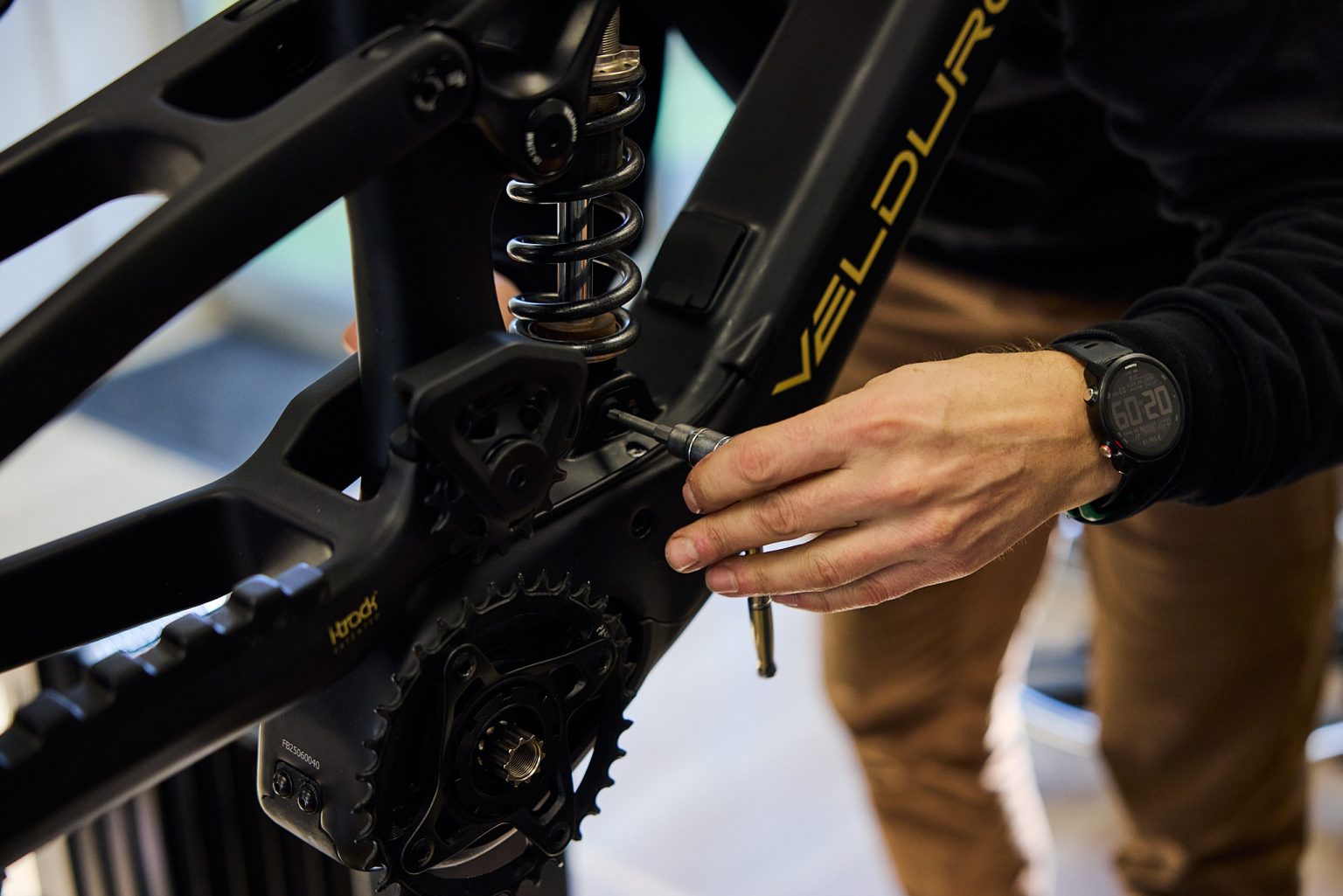
What’s also important here is that Velduro isn’t pretending the Rogue is a finished product. The point of this phase is iteration—building, breaking, rebuilding—and involving riders not just as testers, but as part of the development feedback loop. That transparency is rare in the industry, and it adds to the sense that this project is being built around real-world experience, not just engineering principles.
With the build complete, the next phase began: proper trail time.
I’m going to break the riding review into a few sections to give you a better understanding of the process I went through and how the different iterations of the frame configuration changed through testing. But I thought I’d start with the elephant in the room–the Avinox M1 motor system, once I’ve addressed that then we can really dig into the Rogue and how it performs in unison with the M1 on the trail.
“That transparency is rare in the industry, and it adds to the sense that this project is being built around real-world experience, not just engineering principles.”
The Elephant in the room—The Avinox motor
DJI is a Chinese drone company that dominates the global consumer drone market—and for good reason. Their reputation for high-powered, high-precision motors and battery technology is unparalleled, honed over years of pushing aerial tech to the limits.
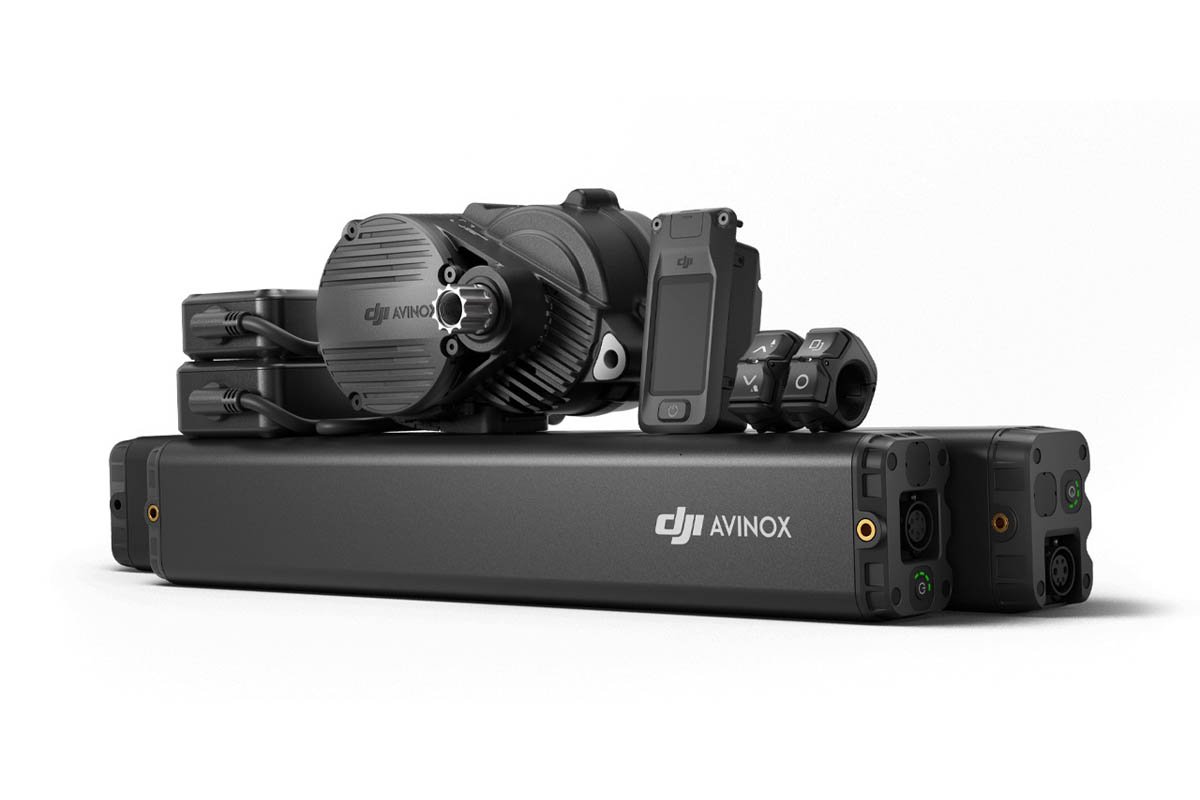
Then, seemingly out of nowhere, they stunned the industry at Eurobike 2024 with the launch of the Avinox drive system—a compact e-bike motor with specs that looked like they belonged on an F1 car, not a consumer eMTB. The 2.5 kg motor was touted to deliver 105 Nm of torque and 850 W of peak power, with a 30-second Boost mode bumping that to 120 Nm and a blistering 1,000 W. It sounded too good to be true—and, was met with a fair bit of scepticism. It wasn’t until DJI incubated a bike brand called Amflow to help seed their system to market, that riders started logging real trail time, then the verdict was clear: it wasn’t hype. The specs were real, and DJI had brought their aerospace-grade sensors, software, and motor control into the dirt world.
With only a few brands adopting Avinox so far, most Kiwi riders haven’t seen, let alone ridden, a DJI-powered eMTB. That included me—it was a big part of what made building the Rogue so compelling and the reason I wanted to start with the motor was because it fundamentally changes what’s possible.
For context, I’ve ridden every major eMTB system on the market, and used to own a Rocky Mountain powered by their Dyname motor (108 Nm / 800 W), which I’d paired with a Speedi delimiter to bypass the dreaded 32km cut out. It was the fastest bike I’d ever ridden—until the Rogue. The Avinox’s power delivery and acceleration were breathtaking, and it didn’t cap out at 32 km/h–It kept pulling until I hit 45 km/h.
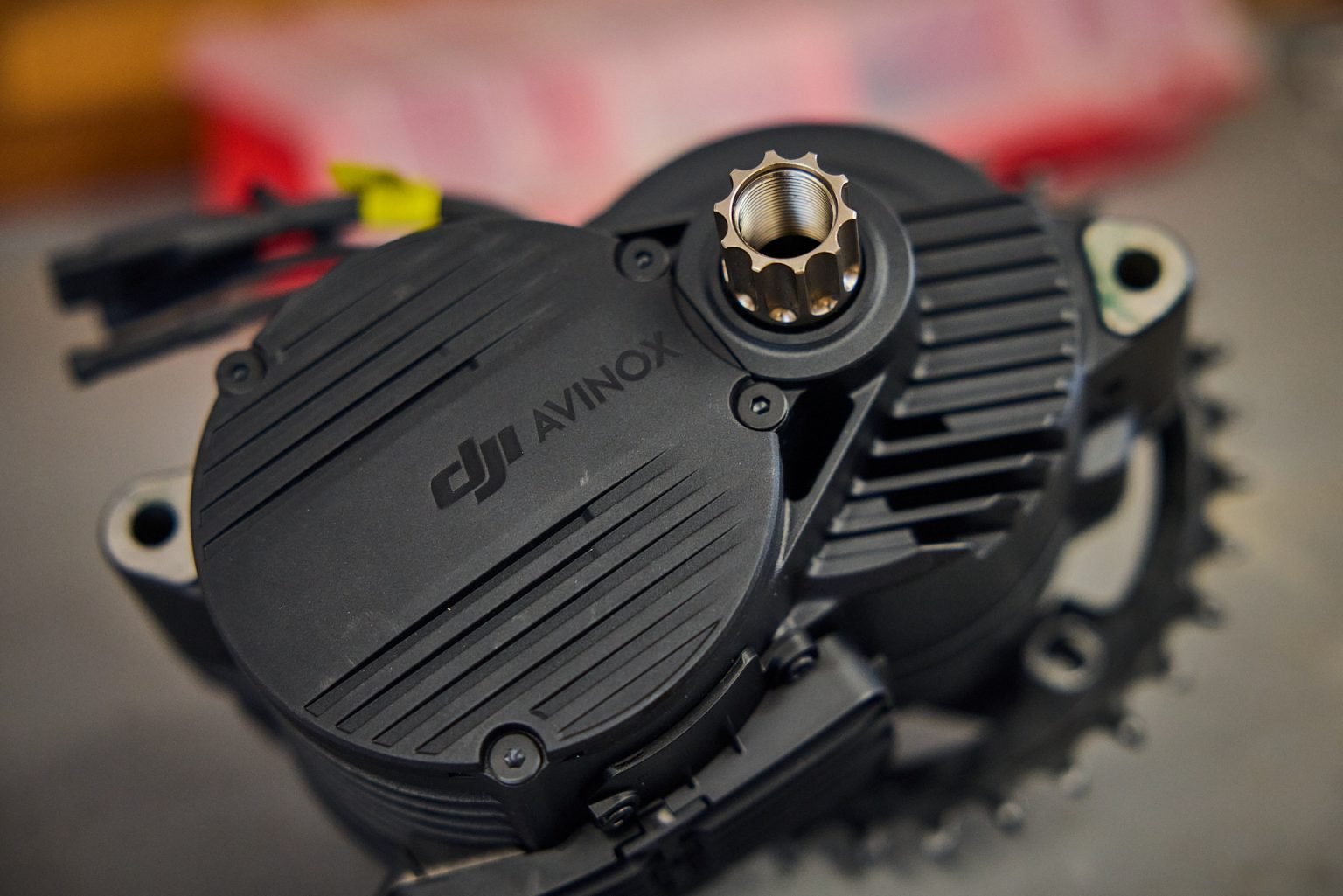
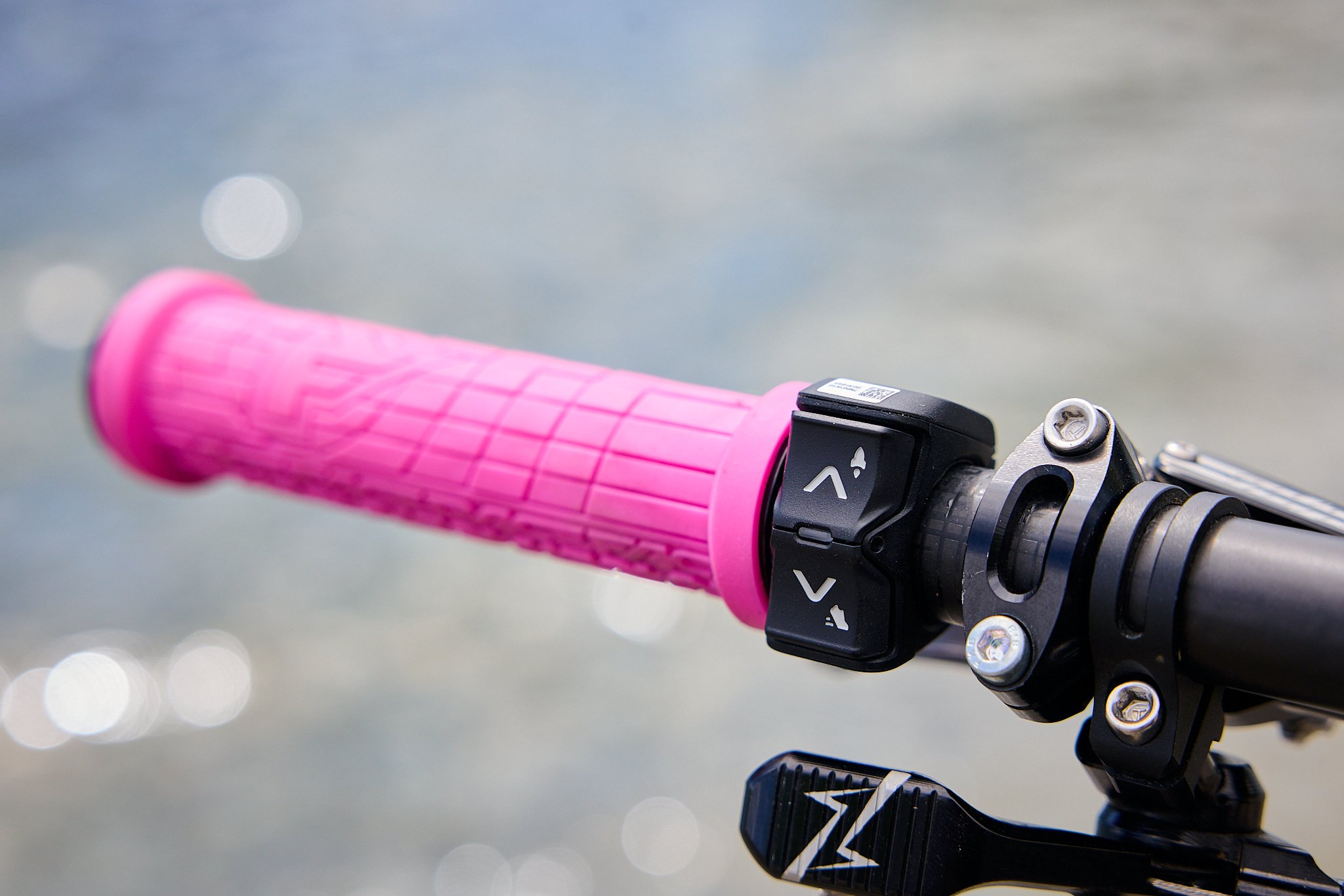
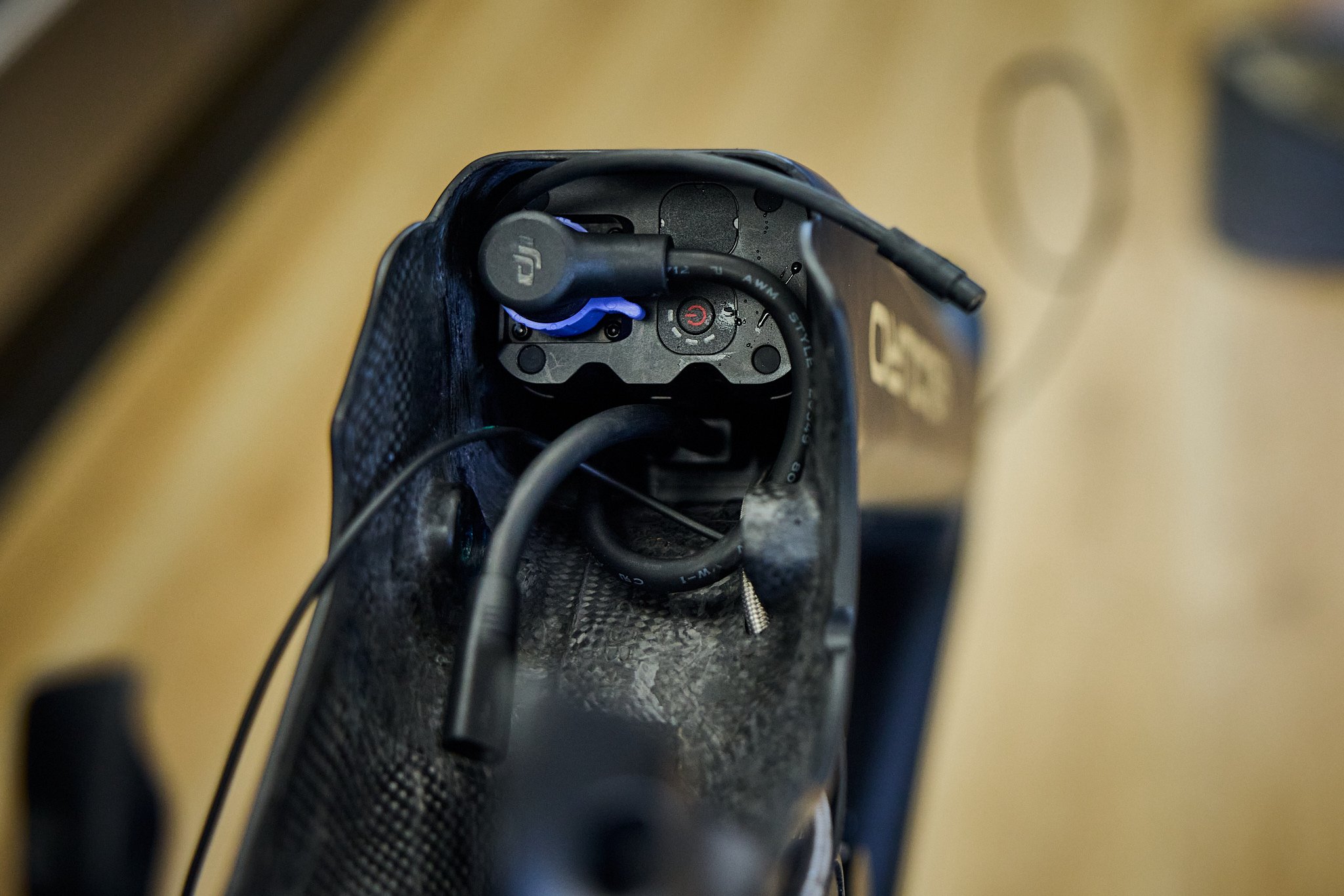
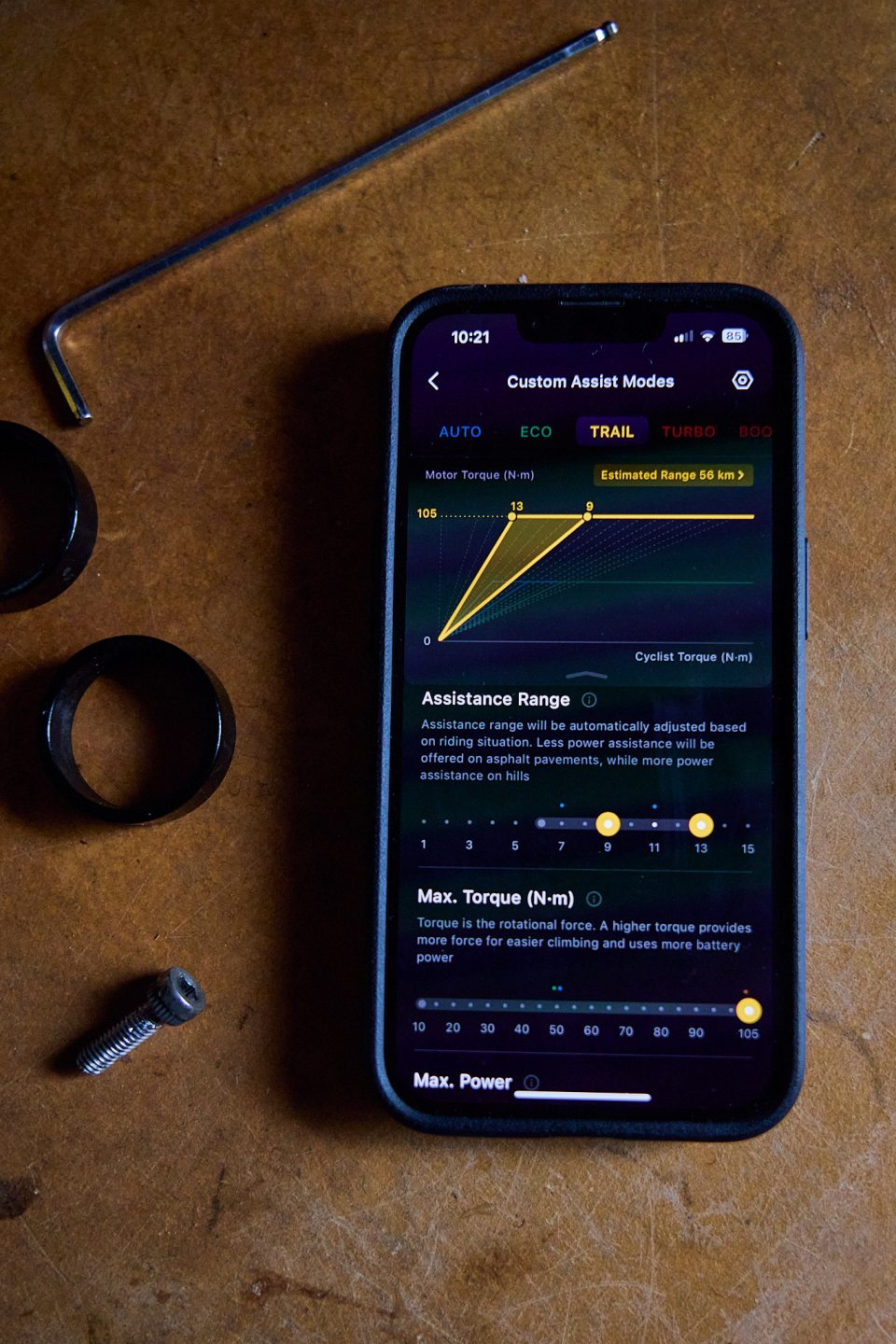
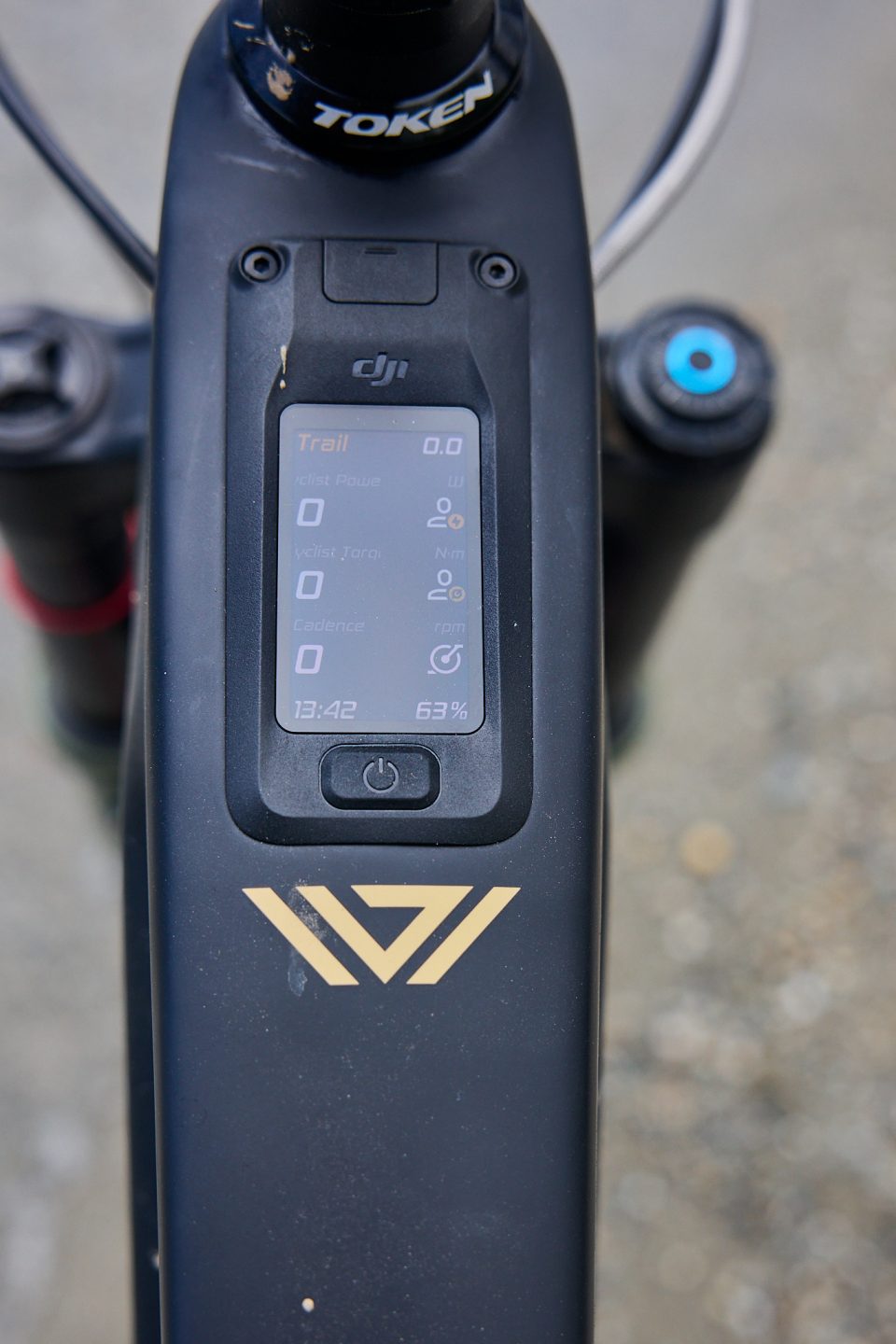
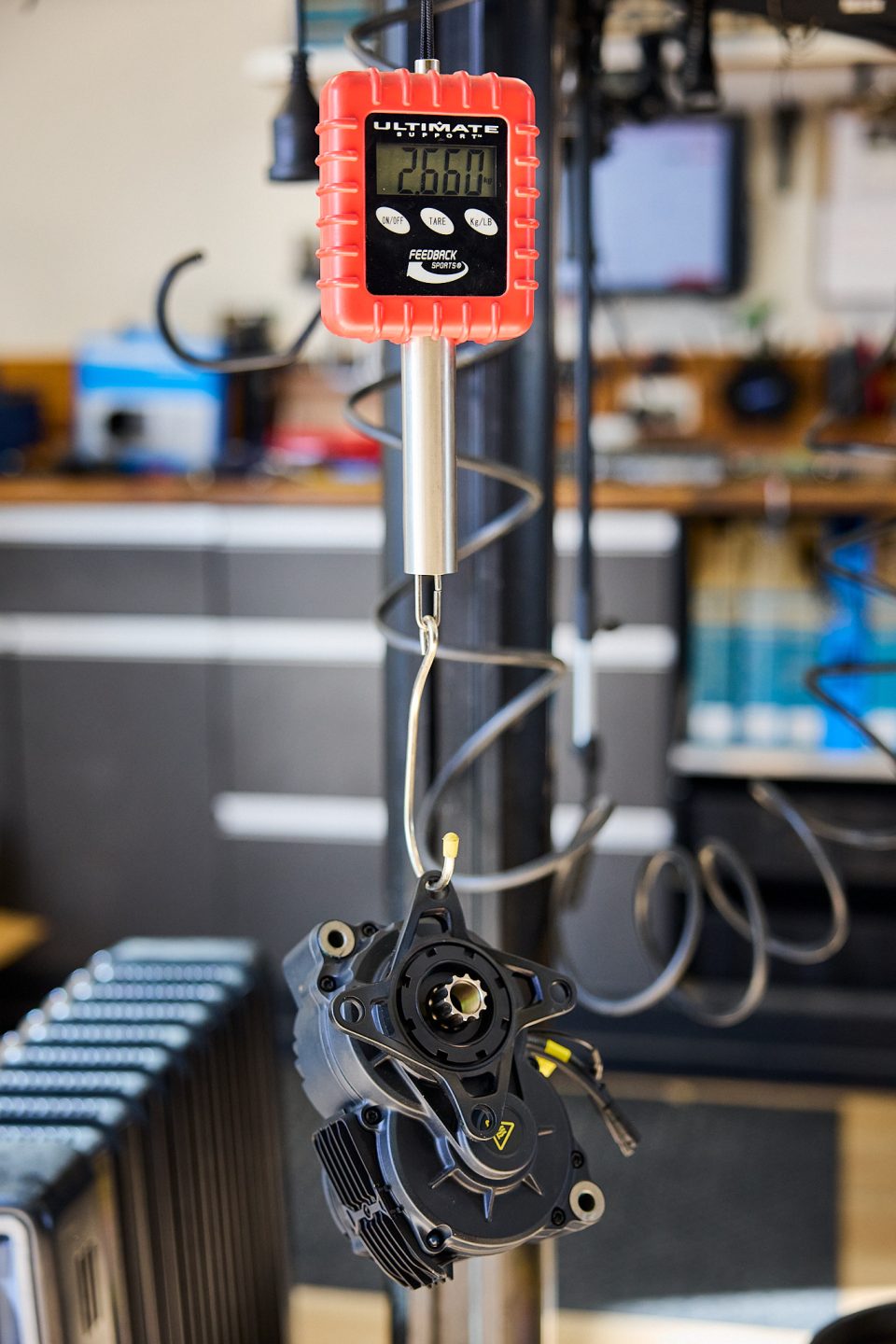
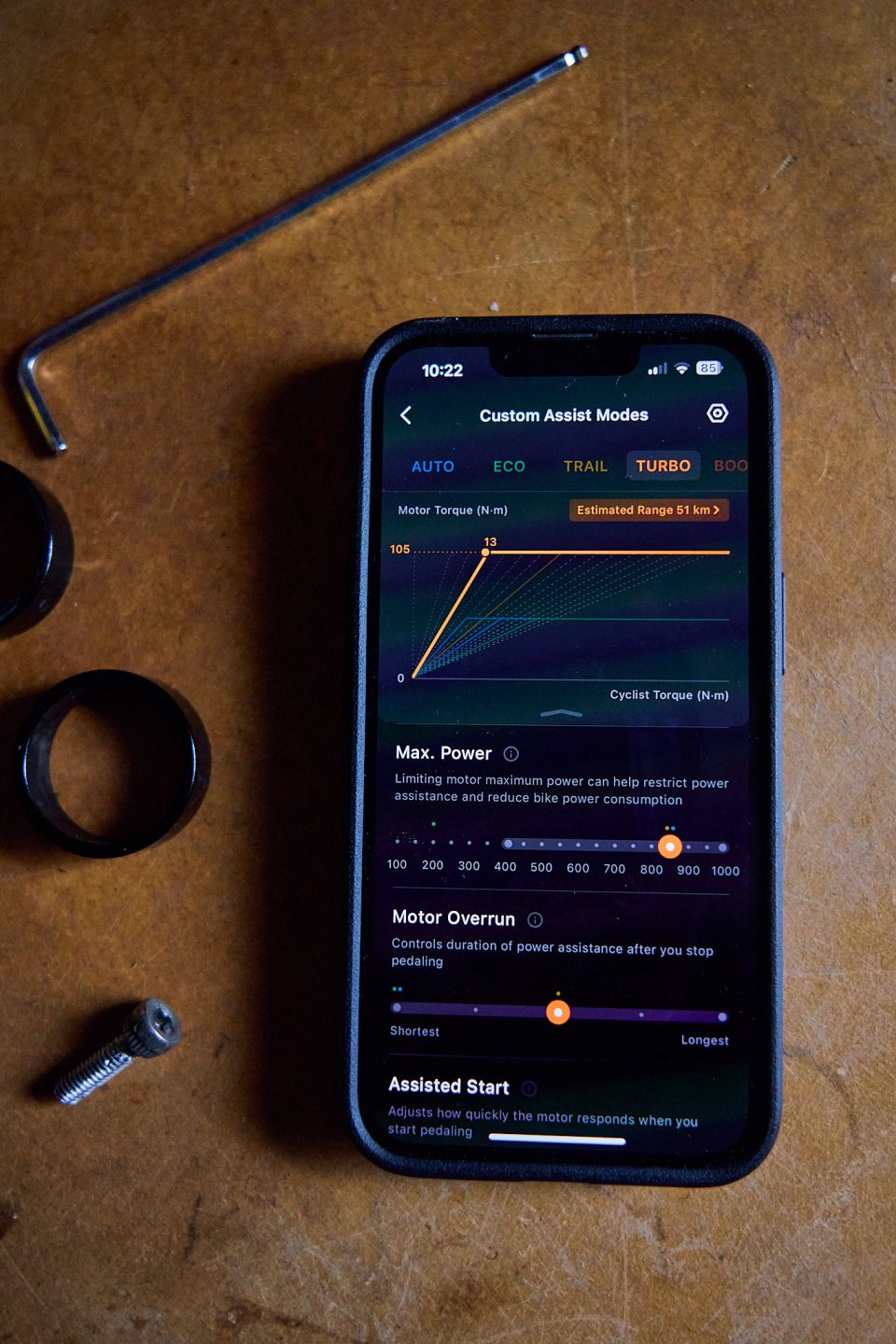
At the heart of the system is DJI’s M1 Avinox motor, which—unsurprisingly, given the brand’s drone pedigree—is packed not just with raw power but a full suite of sensors and onboard smarts. I’ve already covered the headline power stats, so I’ll keep this quick: five riding modes including Auto, which adapts in real time to terrain and rider input; walk assist and hill start functions; and a state-of-the-art IMU (Inertial Measurement Unit) that reads everything from pitch and roll to torque, cadence, altitude, temperature and more. It also syncs with DJI’s unique speed sensor ring on the rear wheel—no spoke or disc mounted magnets here— delivering precise, magnet-free speed data that helps the motor respond more intuitively on trail.
What really impressed me, though, was the cockpit experience. It feels more like an integrated command centre than a traditional e-bike display. The 2-inch OLED touchscreen is cleanly integrated into the top tube and gives access to assist modes, diagnostics, real time ride data, and custom settings. It’s bright, intuitive, glove-friendly, and refreshingly minimalist. Paired with low-profile wireless remotes on the bars, the whole system is slick, quiet, and free from cable clutter.
But the real depth comes via the companion app. This is where DJI’s drone DNA starts to show—offering a level of tuning and rider-specific control that’s a step beyond. You can fine-tune assist curves, tweak torque and overrun settings, reorder modes, or even set how long Boost lasts. The app also handles security features like motor lock and bike location alerts, and firmware updates are pushed over the air. It’s a system built not just for power, but for precision—and the more you dig into it, the more you realise how much of the motor’s personality you can shape to suit your own.
I’m going to leave the Avinox system there (a full deep dive will follow in a separate piece) and shift focus back to the Rogue itself. Because while the bike and motor are very much a package, it’s easy to get swept up in the power and tech of the M1. The real question is how well the Velduro frame—its layout, kinematics, and geometry—has been tuned to work with a motor this potent. That’s what I wanted to find out next.
“…it was a big part of what made building the Rogue so compelling and the reason I wanted to start with the motor was because it fundamentally changes what’s possible.”
The ride experience
The climbing position on the Rogue felt relaxed and efficient. With its steep 78° seat angle, you’re planted right over the motor—prime real estate for seated power and clean pedalling, though with the Avinox under you, “efficiency” almost feels redundant. The first 10–15 minutes of my initial ride—mostly climbing and flowy traverses—was a blur. I wasn’t so much evaluating the bike as I was just trying to stay on the trail. The pace was wild. But once I settled in and found my rhythm, the journey to the highpoint of the trail network began to feel like a descent—features and corners arriving faster than expected, the line blurring between ascending and attacking.
By the time I reached the top, it felt like I’d already ridden a downhill lap. And even before I pointed it downhill, I was already impressed by the Rogue’s handling.
That feeling only deepened once gravity got involved. The Velduro is a bigger, heavier bike than my normal steed—but it doesn’t ride that way. The mullet setup kept the rear end snappy and quick to respond, while the slack 63.5° head angle gave the front end a very composed feel at speed even on the techy descents I’d chosen—zero surprises, zero second-guessing.
And that’s how things progressed over the first few rides: my confidence in the bike’s handling grew on the descents which paradoxically increased my courage to push it harder on the flow trails and climbs. Riding fast on DH trails with berms and jumps is one thing—it’s what those trails are built for. But blitzing XC-style singletrack at 40km/h? That’s a different kind of thrill. For perspective: Jackson Goldstone’s average speed over the 2.2km track at this year’s Leogang World Cup was 43 km/h. I was getting pretty damn close to that on my local singletrack. There’s a caveat here—yes, you can ride in Eco mode and dial back the blistering pace, but let’s be honest—who buys a Ferrari to drive it in first gear?
After a handful of rides around Wānaka, I decided to take the Rogue south to Alexandra and let it loose on some rowdier terrain. To match, I swapped out the 160mm Pike for a 170mm Fox 38 and flipped the rear shock mount chip to gain more travel. That’s one thing I hadn’t mentioned in my review of the frame: the Rogue actually has two flip chips. The first as discussed earlier lets you switch from 29er to mullet. The second, located at the lower shock mount, toggles between “AM” and “Enduro.” AM is the standard, prioritising pedalling efficiency, while Enduro unlocks an extra 5mm of rear travel and shifts the bike’s intent toward descending.
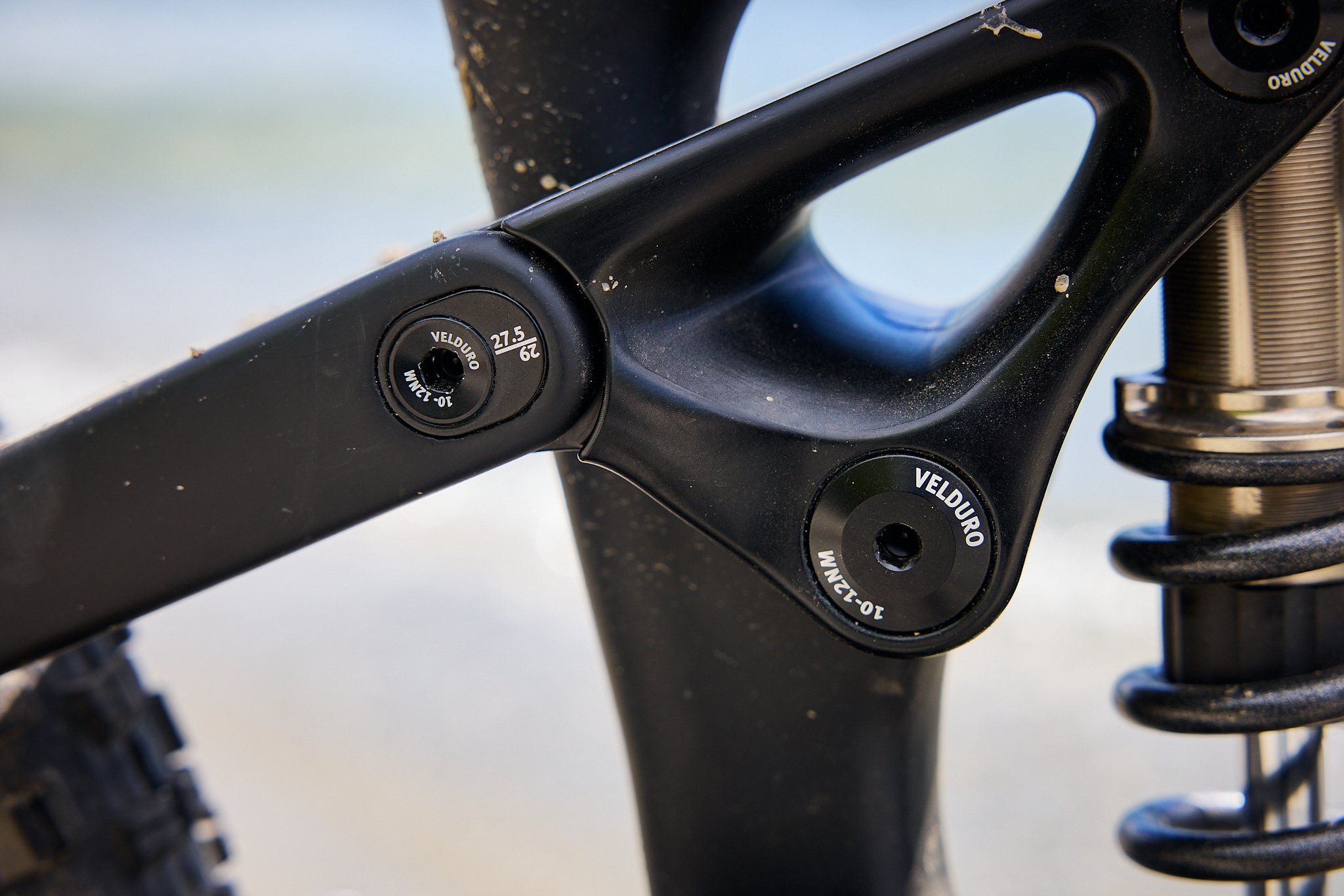
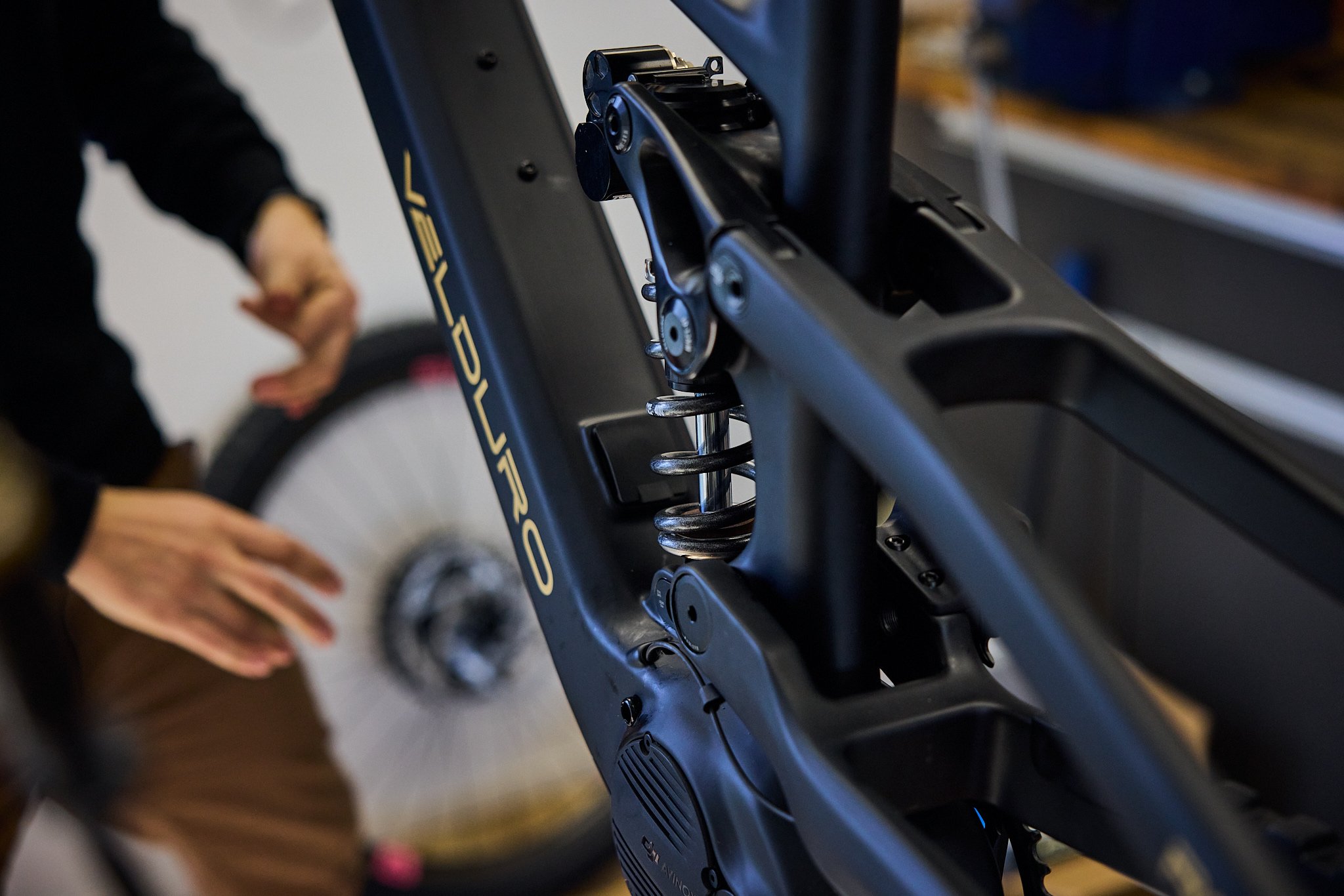
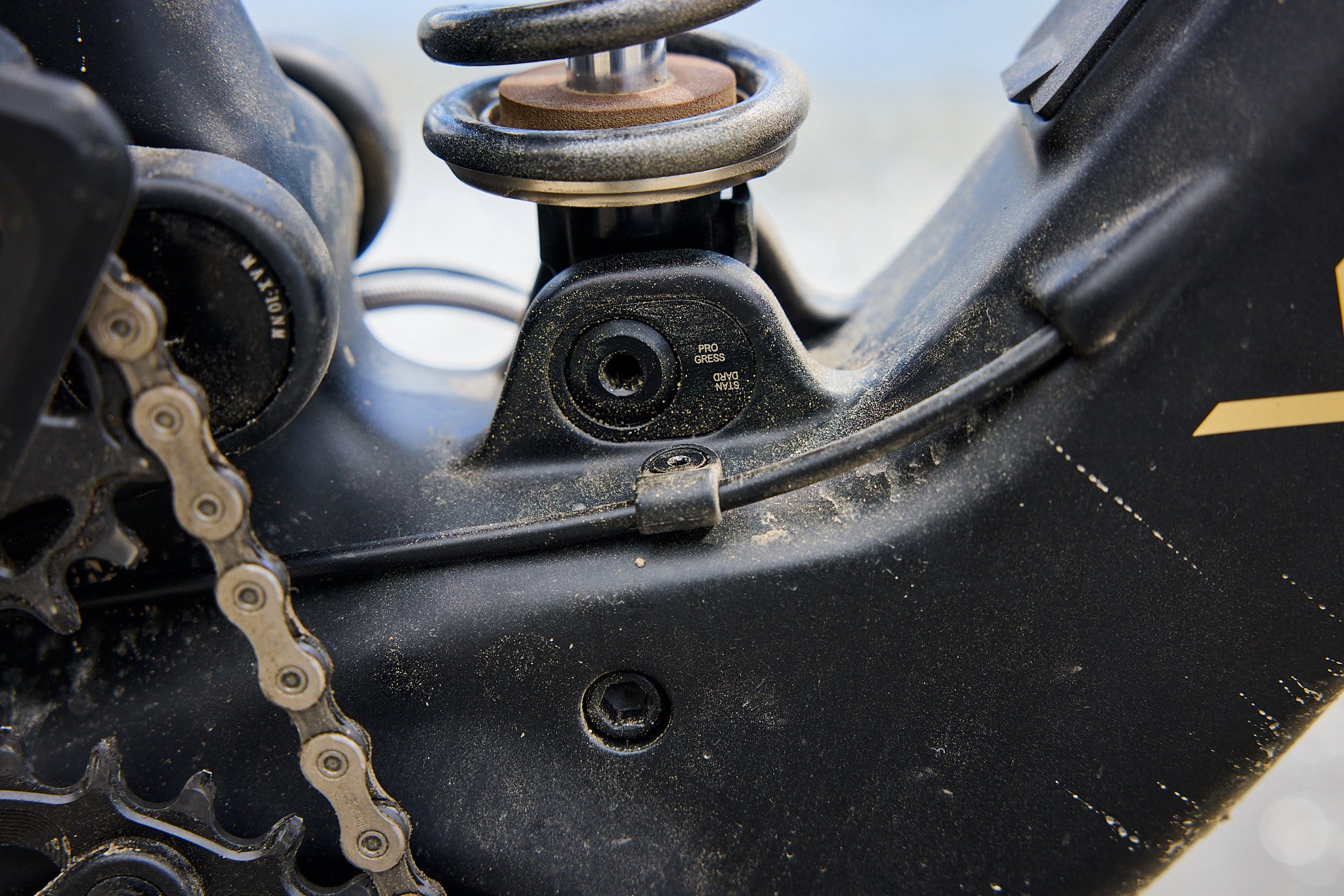
The difference was immediate. Suddenly the Rogue felt like a full-blown DH bike. Alexandra’s rough, high-speed trails brought the frame to life, and the high-pivot i-track suspension gave the rear end that coveted bottomless feel. The Rogue had gone full beast mode. It felt like the perfect bike for Alex, powering me up the long, exposed climbs at what felt like warp speed, and floating down the raw and rocky singletrack with ease, almost like it was designed for this terrain.
This 170/165mm setup has become my go-to for the Rogue—for now. It’s more travel than I need for most of my local trails, but it feels natural and well-matched to the frame’s intentions. I’ve still got plenty of experimenting to do—keen to try it as a full 29er and run a different rear shock—but the official prototype test window has now closed, and Velduro has moved forward with production.
“The mullet setup kept the rear end snappy and quick to respond, while the slack 63.5° head angle gave the front end a very composed feel at speed even on the techy descents I’d chosen—zero surprises, zero second-guessing.”
Refinements from Real-World Testing
So, what came out of the “thrash the shit out of it” testing phase here in New Zealand? After six weeks of feedback from riders around the country, the final production Rogue includes the following refinements:
- Wider shock mounting points to increase strength and accommodate more shock options
- Steel idler wheels and longer shock bolts
- Pressed-cup headset bearings
- Internal cable channels for brake hoses and dropper post
- Cable lug grubbers
- A downtube battery bash guard
- Redesigned charge port cover
- Upgraded satin paint finish on the frame
The frame also underwent—and passed—rigorous testing protocols in the factory and are just waiting on final certification from Europe.
For me, these updates reflect Dan and the Velduro team’s willingness to collaborate and listen during development. That openness has undoubtedly made the final Rogue a more refined and capable bike.
Frames are expected to land in New Zealand in late November, though from the sound of things, demand is already outpacing supply. While the frame-only, custom build route will appeal to many, Velduro is also offering complete bikes for those after a simpler, turn-key option. The Rogue R and Rogue X builds are now live on their website—and the pricing is sharp enough to turn a few heads.
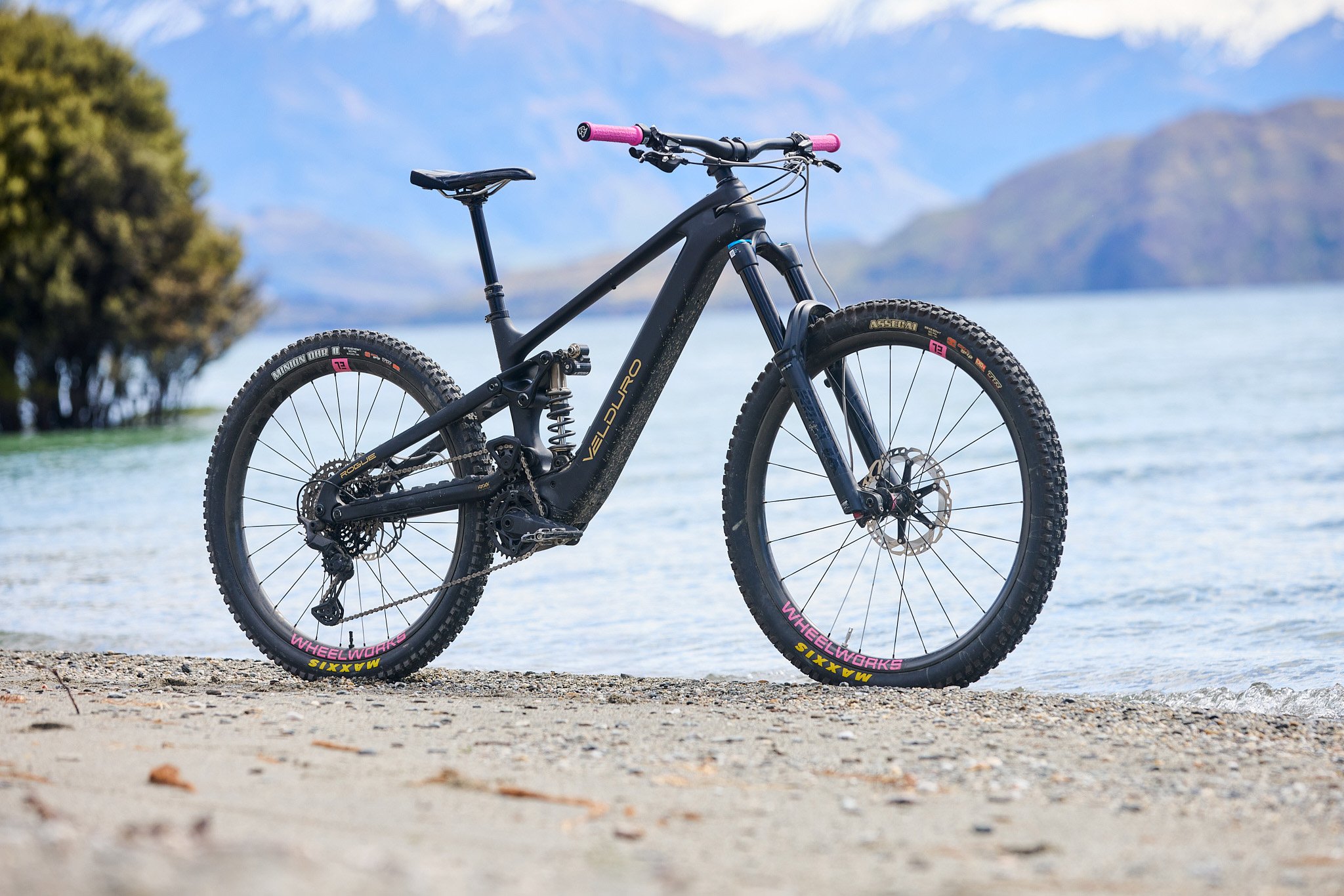
“In any configuration, the Rogue is a long-travel, rocket-powered superbike. It’s not for everyone. But if you’re the kind of rider it is for, you’ll know—and you won’t be disappointed.”
Final Thoughts
I always like to wrap up bike reviews by asking: who’s this for? What kind of rider does it suit—and how might it slot into someone’s quiver?
In any configuration, the Rogue is a long-travel, rocket-powered superbike. It’s not for everyone. But if you’re the kind of rider it is for, you’ll know—and you won’t be disappointed.
Let’s unpack that. An 800W, 45km/h, high-pivot eMTB with acceleration like an F1 car can be…a handful. Not so much on the steep, techy stuff—that’s where it shines—but on flatter or flowier trails, it demands your attention. There’s a learning curve to managing this kind of pace.
If you’re an aggressive rider—electric or e-curious—living in Nelson, the Rogue could be your dream rig: steep climbs, rowdy descents, rinse and repeat. Queenstown locals sick of blowing cash on gondola passes—this bike climbs fast enough to make you forget lift lines. Rotorua chargers wanting to time travel through the Redwoods—strap in.
DJI’s Avinox drive system is a statement piece. It’s more than just an impressive debut—it’s arguably the most tech-forward motor on the market right now. And the industry’s noticed. Word is, other brands are already lining up to make the switch. But is it too much? Tu meke, as we say here in Aotearoa.
Over the past couple of years, the trend in eMTB has shifted toward light-assist trail bikes: 300W motors, 400Wh batteries, and weights around 18kg. They ride more like analogue bikes, and for a lot of riders, that’s the sweet spot.
The Rogue is not that. Yes, the M1 motor is compact for what it delivers, but it’s still a V8 in a world of hybrids. And while the 800Wh battery delivers impressive range, it comes with a weight penalty—my lightest build came in at 22.6kg. That puts the Rogue firmly in the “aggressive enduro with a jetpack” category. It’s for riders who want to smash as many laps of their favourite black trails as possible, not just cruise to the flow trails.
And that’s exactly how it fits into my own quiver of bikes. For big terrain—trips to Alex and Queenstown now have a whole now look and air of excitement to them, powering up the climbs to get to the best descents. It also complements my lightweight, low-power trail eMTB beautifully. One’s for finesse; the other’s for full-send days.
What excites me, though, is what DJI might do next. A lighter, mid-powered motor using the same suite of sensors and customisation? That could shake up the trail eMTB segment all over again. And I’d wager Velduro would have a frame design to fit it as well as the Rogue does the M1.
Editor’s note
The team at Velduro have just informed me that full build options of the Rogue will be available at dealers throughout NZ from December, where Kiwi’s can test ride and purchase.
Plus more stock of frame only option will be available in January but they have already started pre-selling these so get in quick.