

FIRST RIDE: SHIMANO XTR M9200 DI2
We ride the Japanese giant’s long-awaited wireless groupset
Words Justin Henehan
Images: Neil Kerr, Supplied
Shimano’s long-awaited new XTR groupset is finally here, and it’s had its biggest overhaul since Shadow Plus was released back in 2011. My first experience with Shimano’s top tier mountain bike groupset was back in the 1990s when the M900 groupset set the benchmark for offroad performance. It was light, it was strong, it was beautiful, and its biggest competitor at the time, Suntour, had no answer.
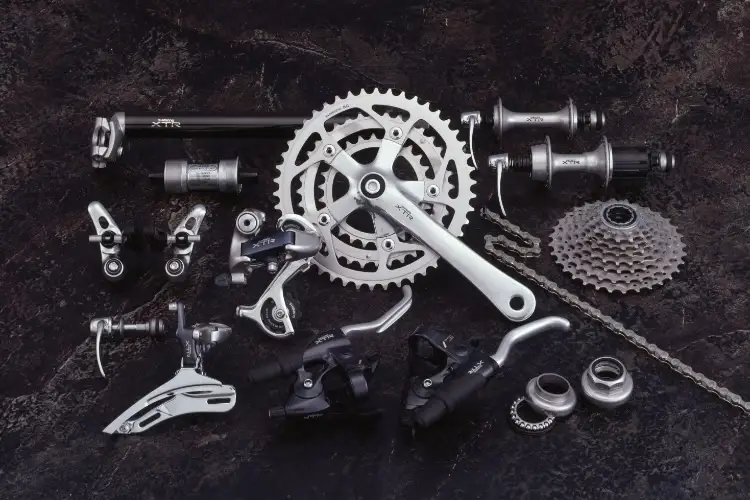
Shimano ruled the trails for two decades on the back of that groupset, rolling out updates every four years or so in a steady process of evolution and refinement. Then, in 2012, Shimano’s predominance was challenged by a series of disruptive innovations from Sram. Rather than getting into an arms race, Shimano’s response was measured, refining and iterating on how it believes mountain bike components should feel and perform.
True to form, the latest M9200 Di2 groupset has been a long time in the making—seven years have passed since its M9100 12-speed groupset hit the market. Carefully considered and typically well thought out, there are changes both minor and major throughout the range of components. So, is this the Shimano groupset the mountain bike world has been waiting for? Here are the big changes in the new XTR M9200 Di2 groupset.

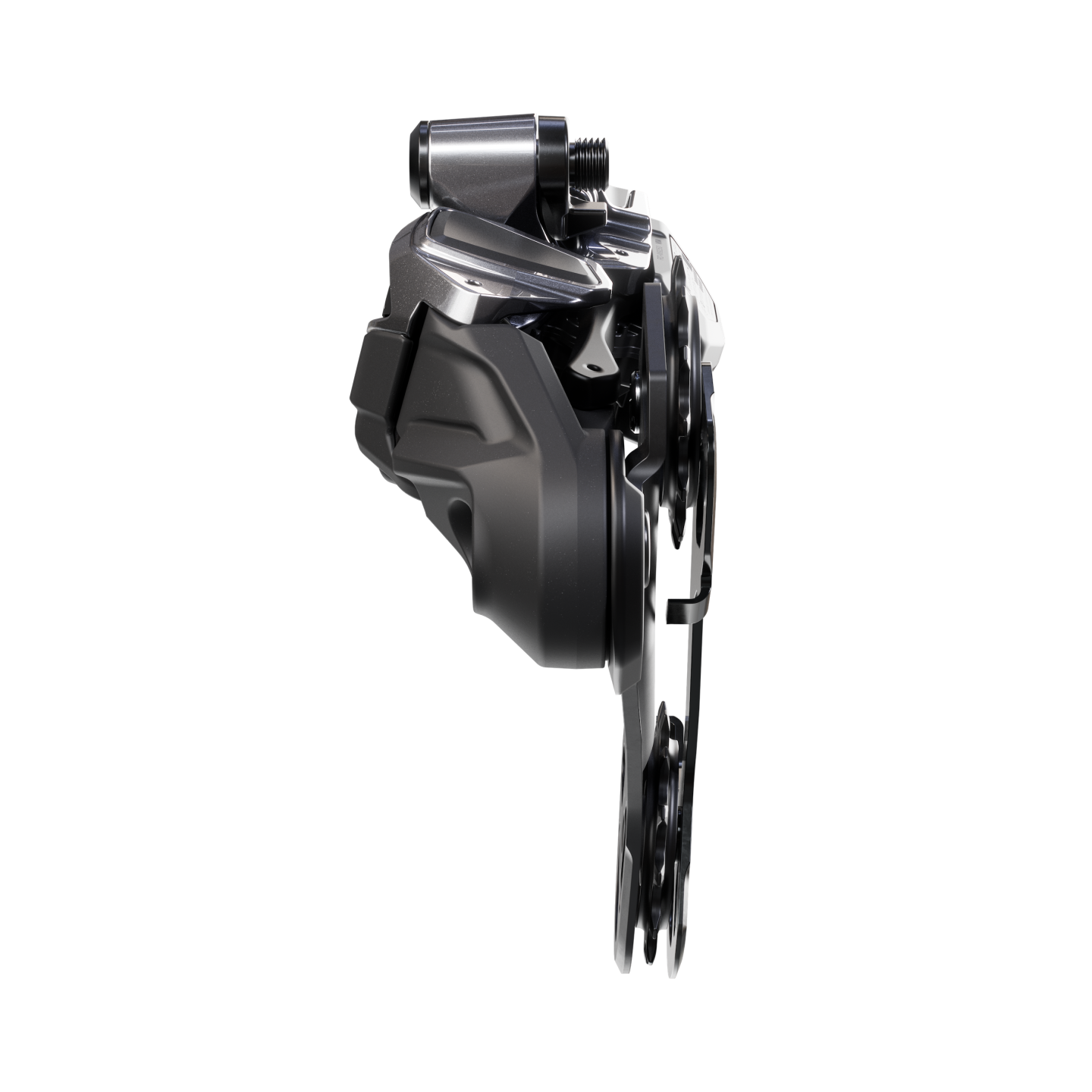
Derailleur
- Wireless Di2 derailleur with Hyperglide+ technology.
- Protected but easily removable 310 MaH battery that sits within the derailleur body.
- B-screw and limit adjustment screws removed.
- Shadow ES two-stage tensioning spring system replaces derailleur tension band.
- Derailleur shaped to deflect impacts.
- Automatic impact recovery.
- Uses conventional derailleur hanger so compatible with non-UDH bikes.
- Available in short cage 12 speed, long cage 12 speed, long cage EMTB 12 speed (direct wired, Free Shift and Auto Shift), and long cage 11 speed.

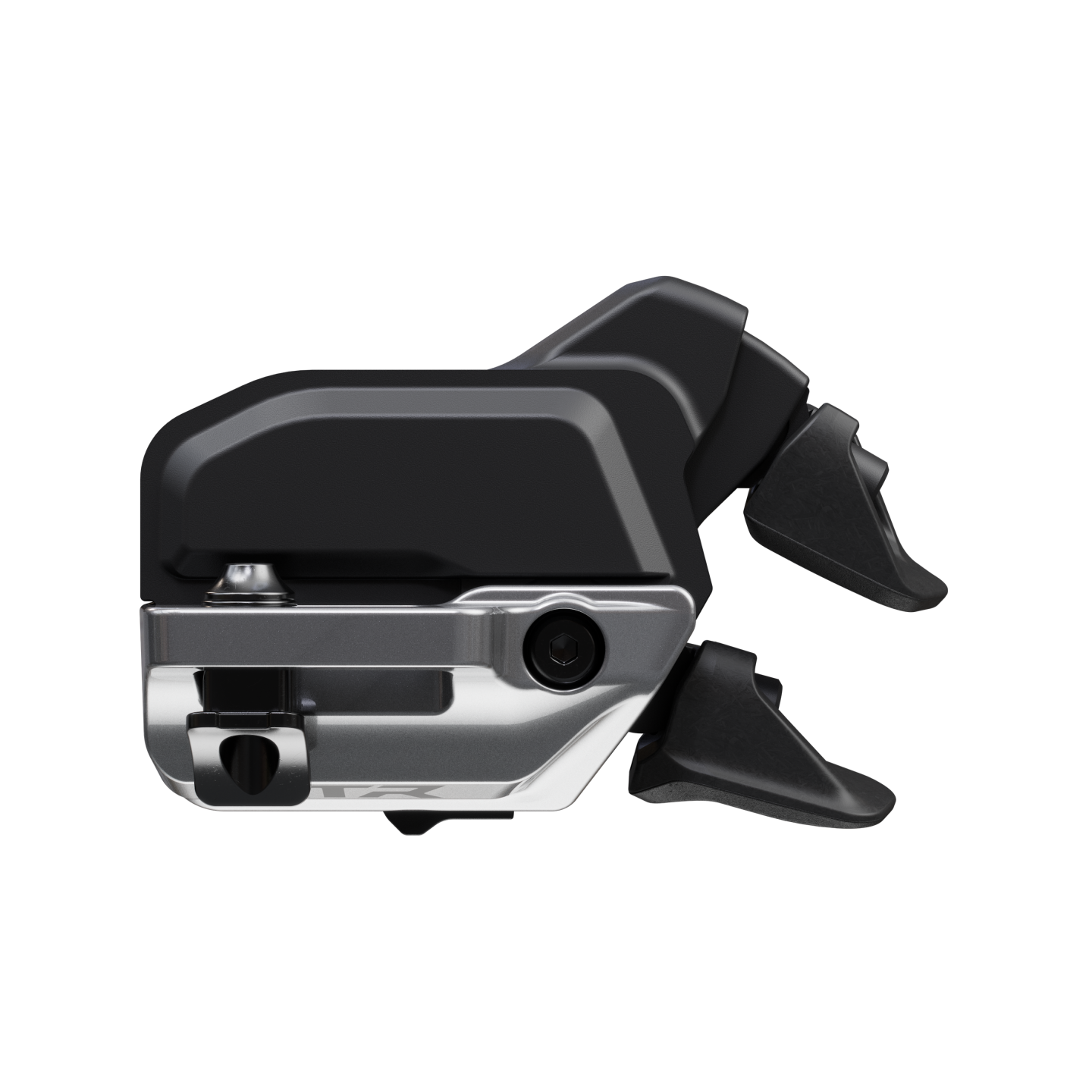
Shifter
- Wireless Rapid ES shifter.
- Multi-axis paddle and body adjustability.
- Tactile shifter feel for clear, precise gear shifts.
- Programmable through the E-tube app, with e-bike customisation.
- Four-way adjust, two-step double shift, or hold down multi-shift, rubber traction pad.
- I-SPEC EV, clamp band, and single/double mode converter.
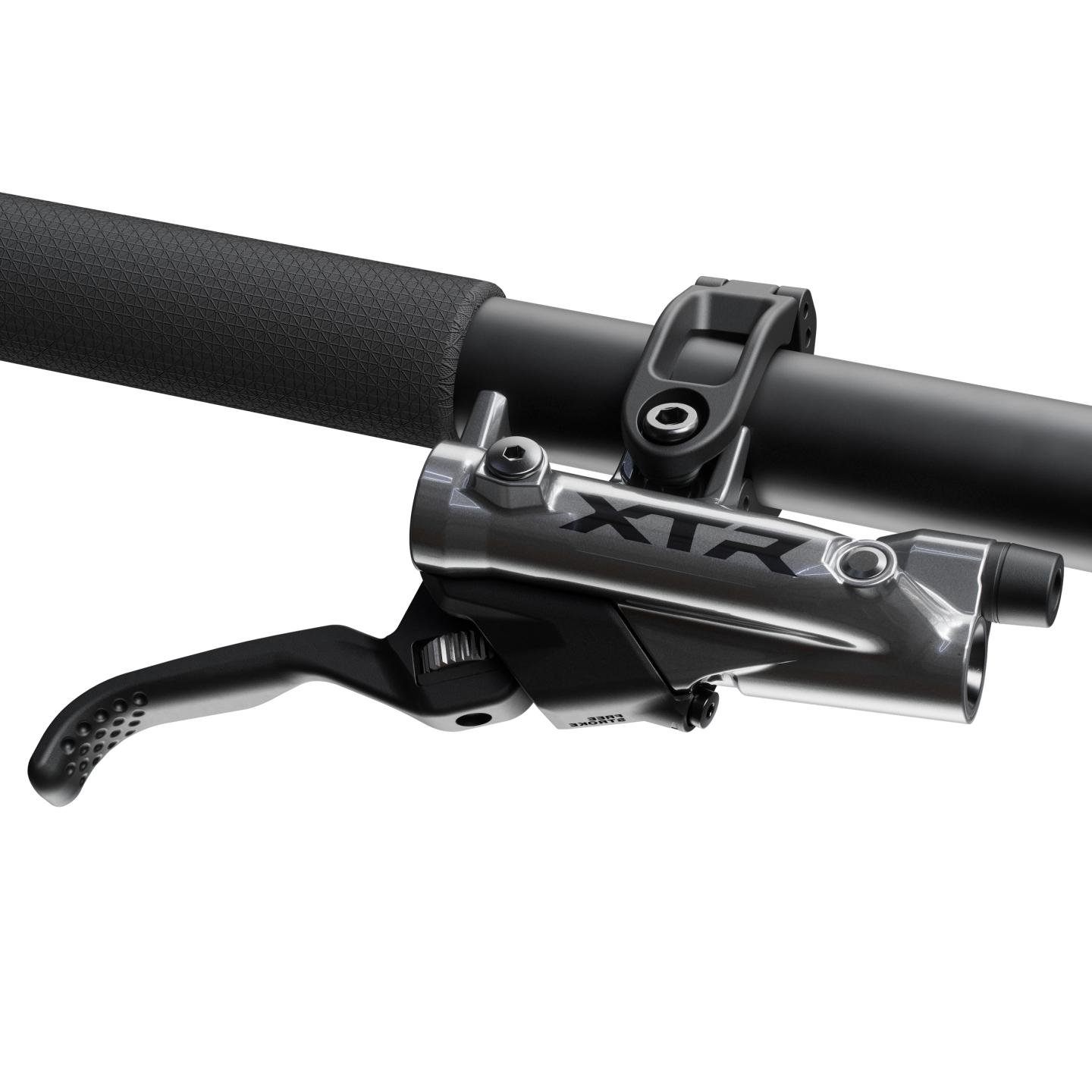
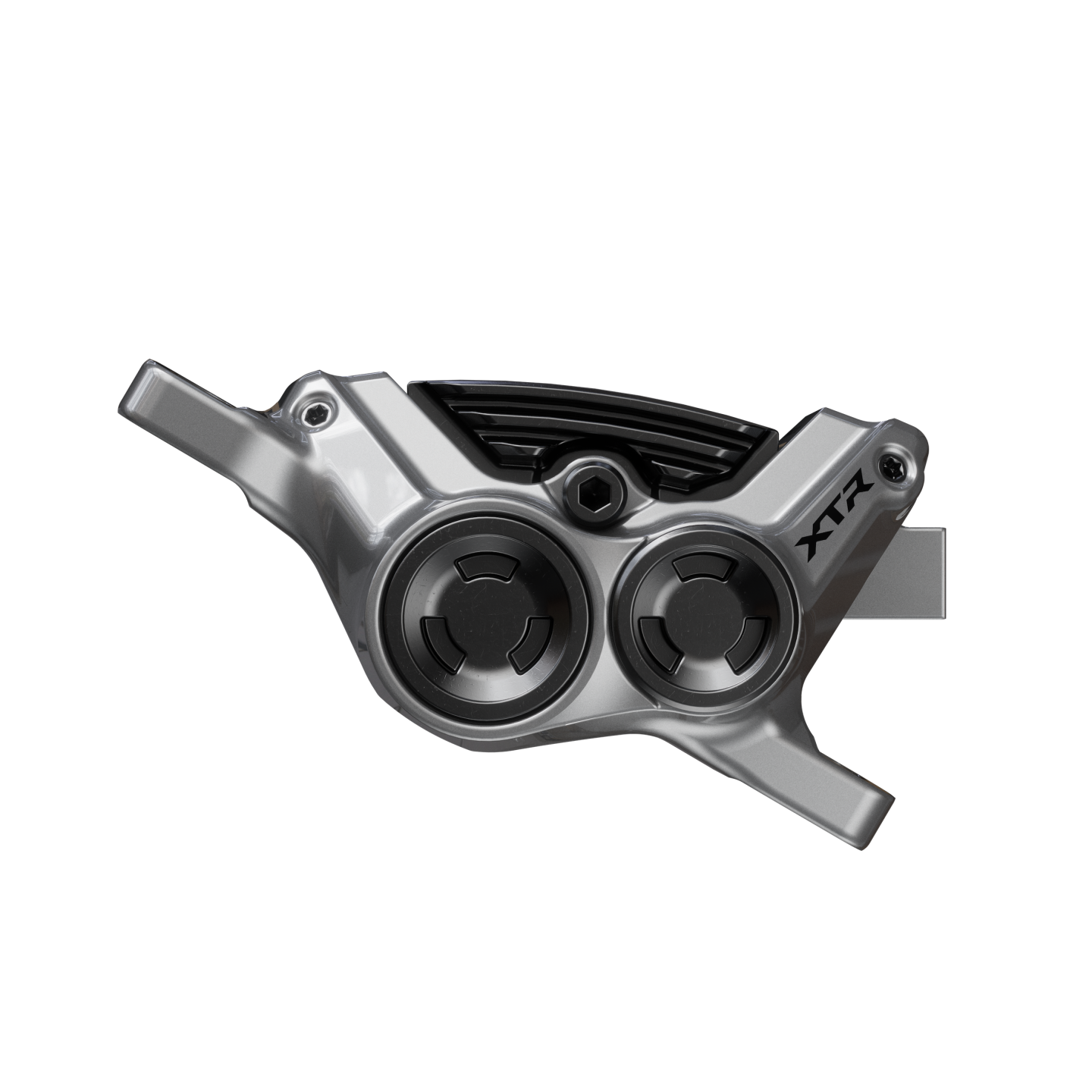
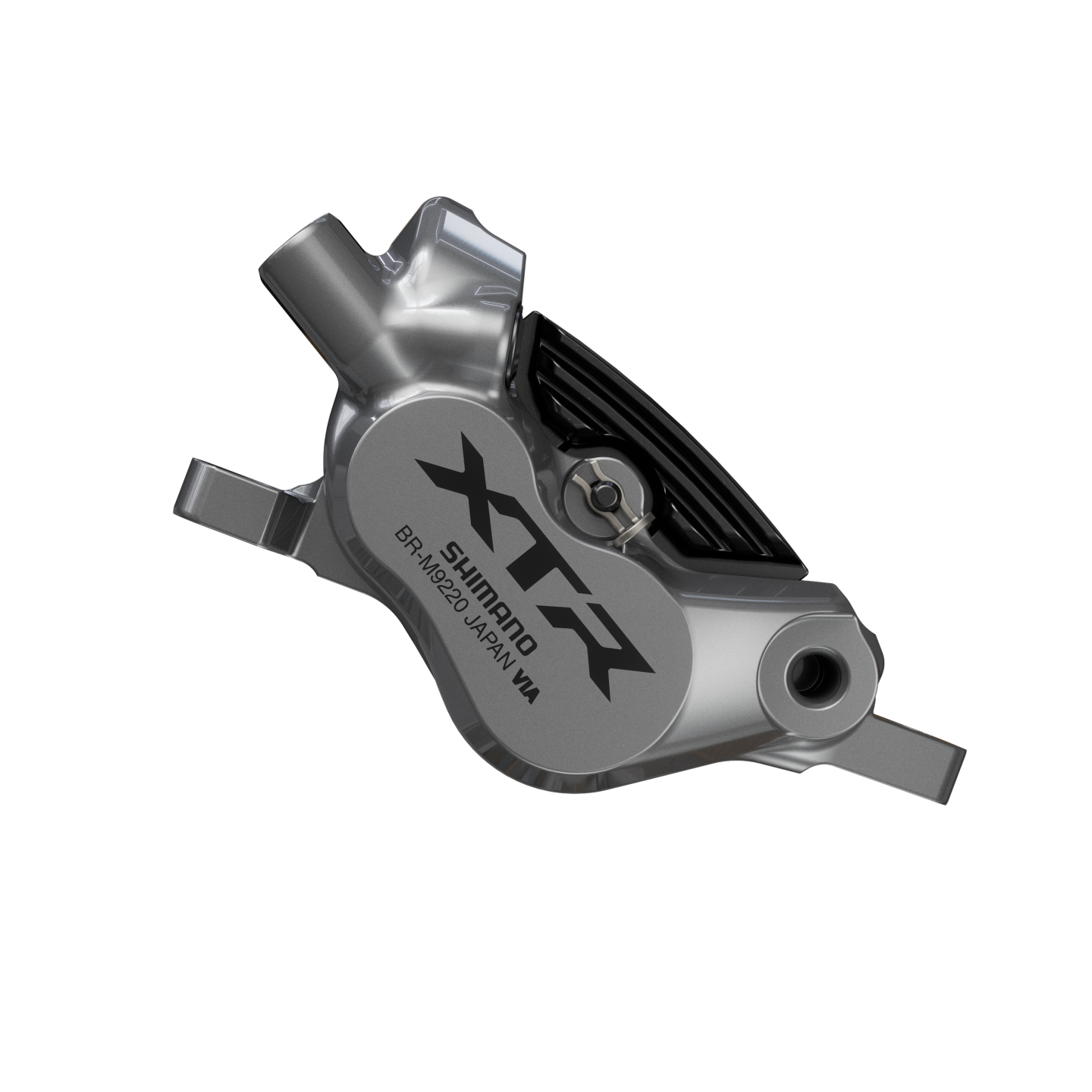
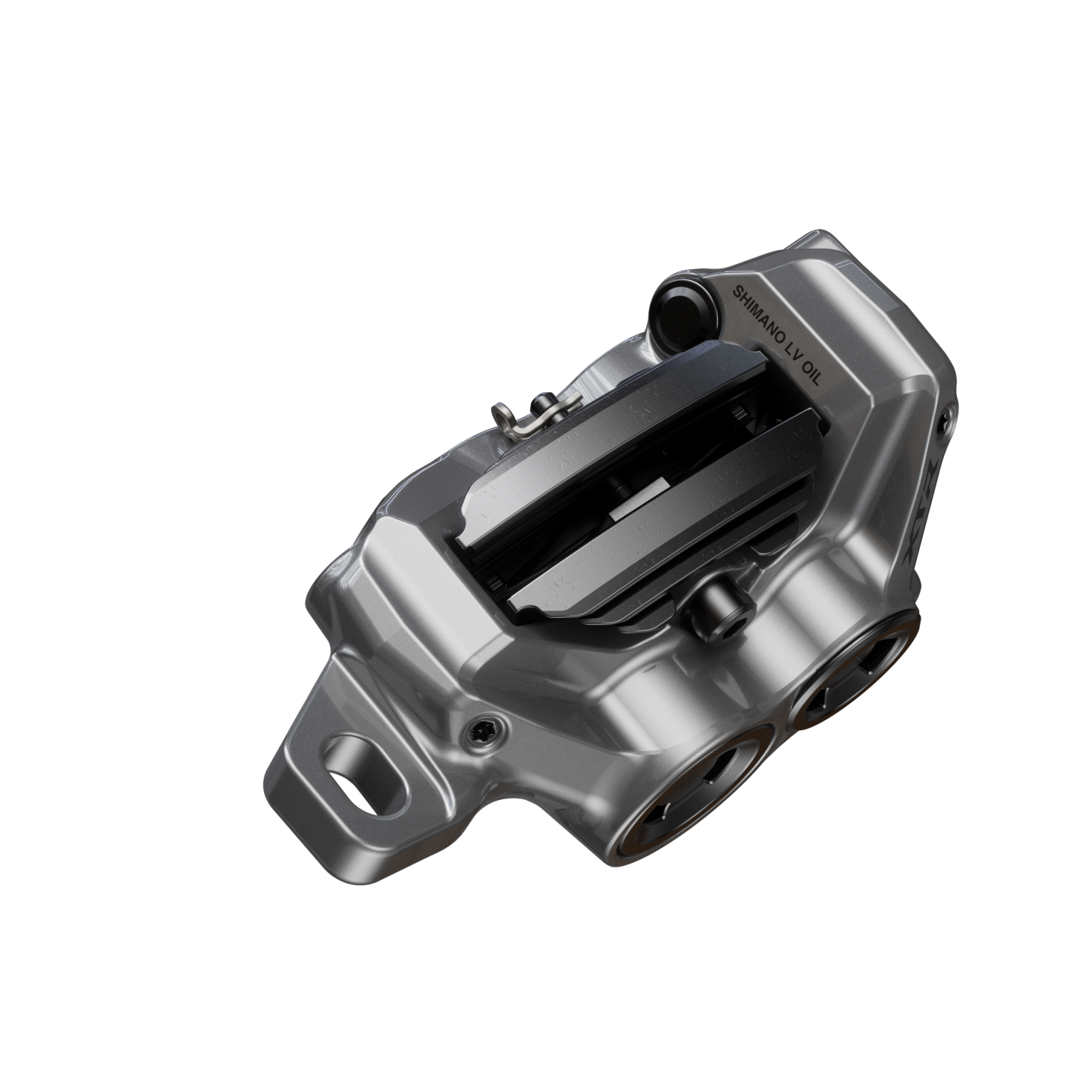
Brakes
- Updated seals and lower viscosity mineral oil for greater consistency during temperature fluctuations.
- New lever shapes, pivot points, and reach adjustment.
- Redesigned Servo Wave power curve.
- Lever body tucked closer to bars.
- Revised brake pad to eliminate rattle.
- Revised caliper bleed port.
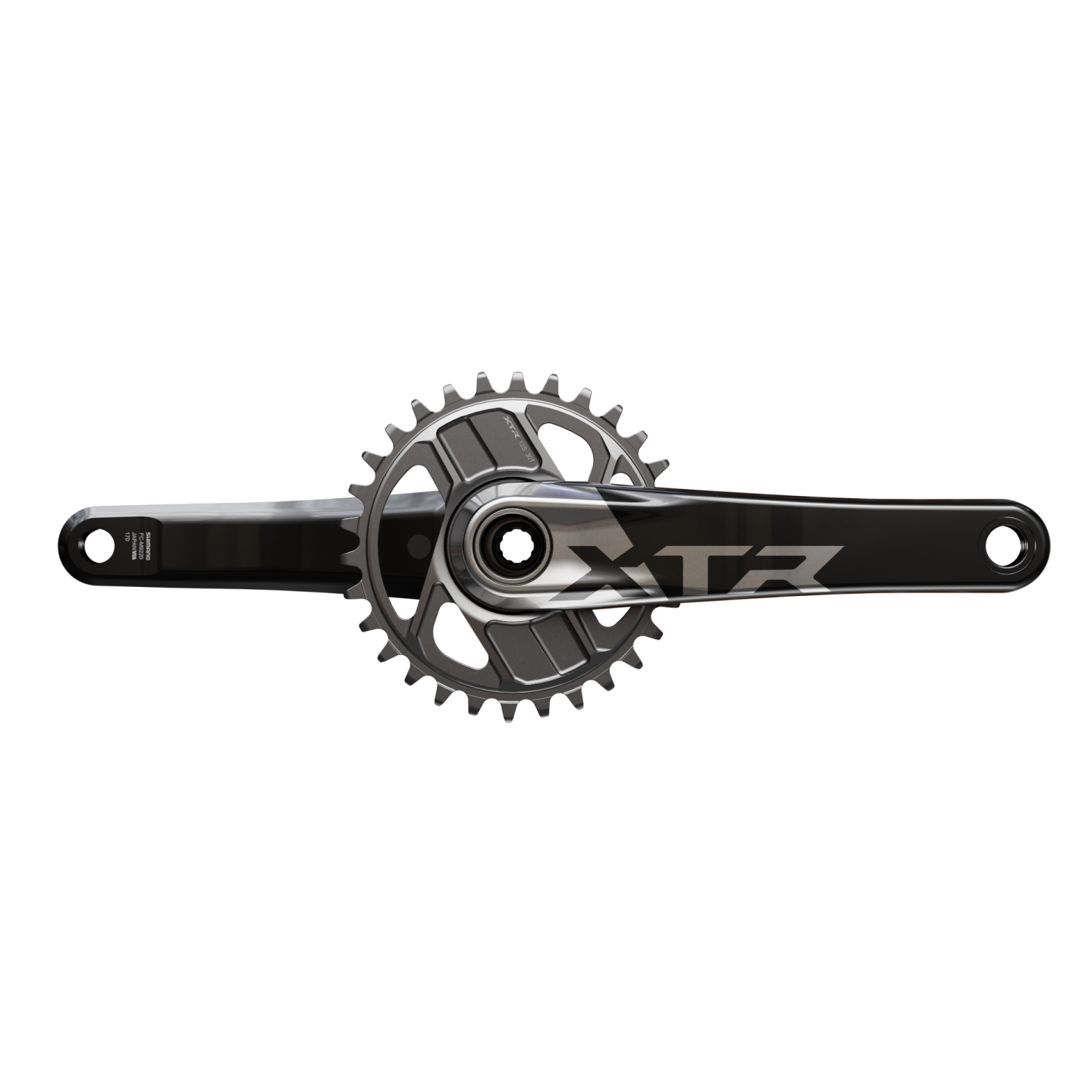
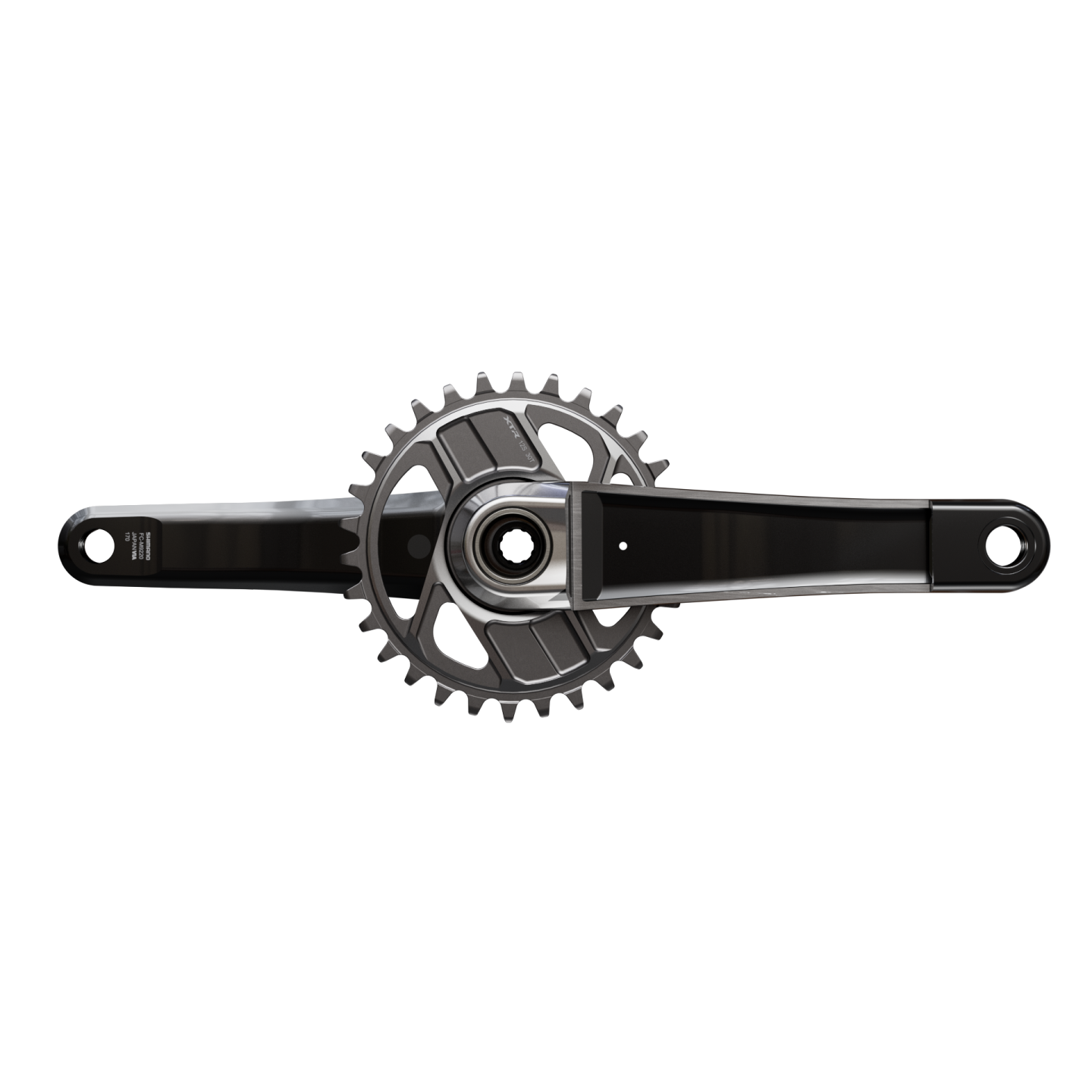
Crank set
- HOLLOWTECH II cold-hammer hollow forged.
- Available in 160mm to 175mm lengths
- Thicker steel spindle.
- SM-CRM96 is Shimano’s lightest ever machined chainring.
- 55mm chainline.
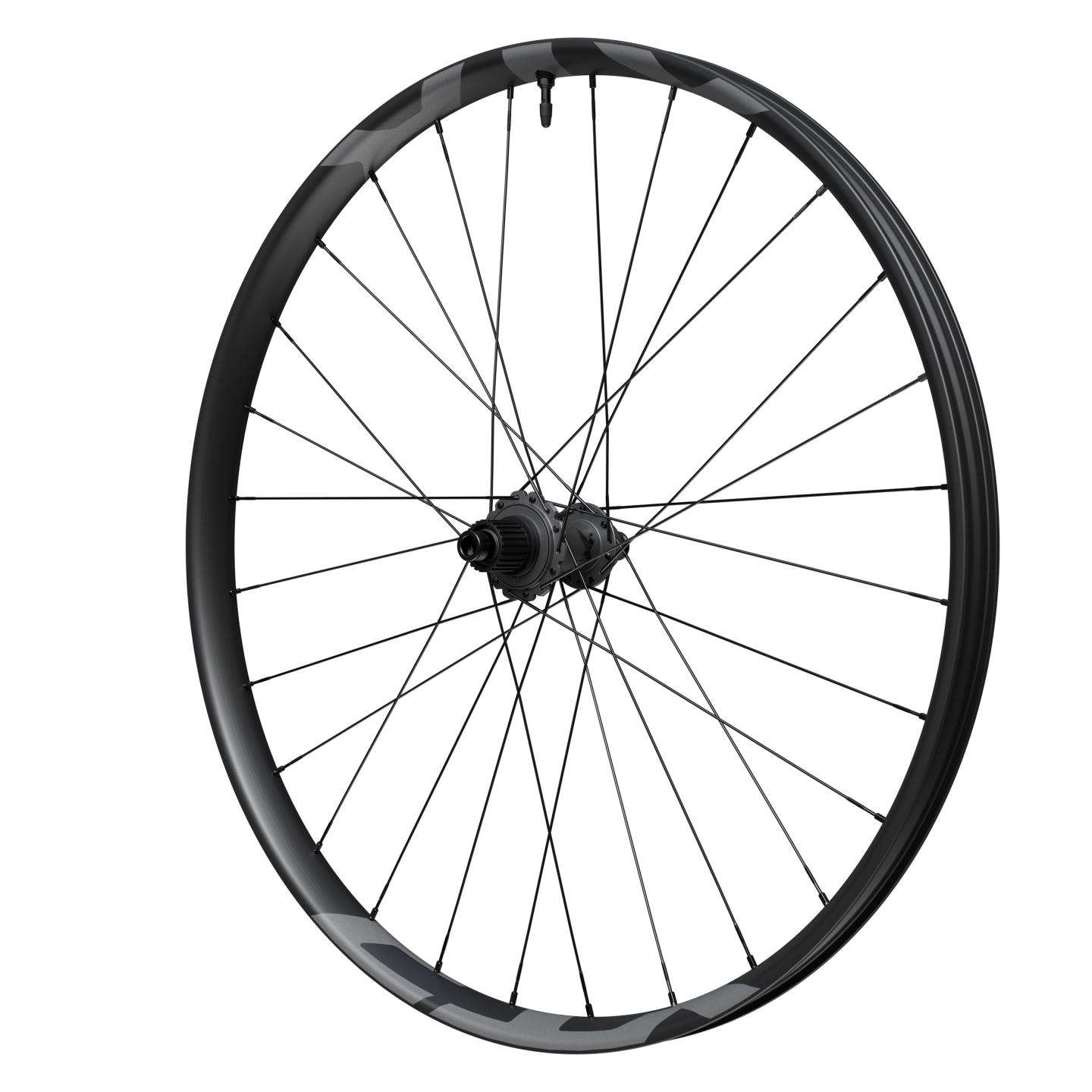
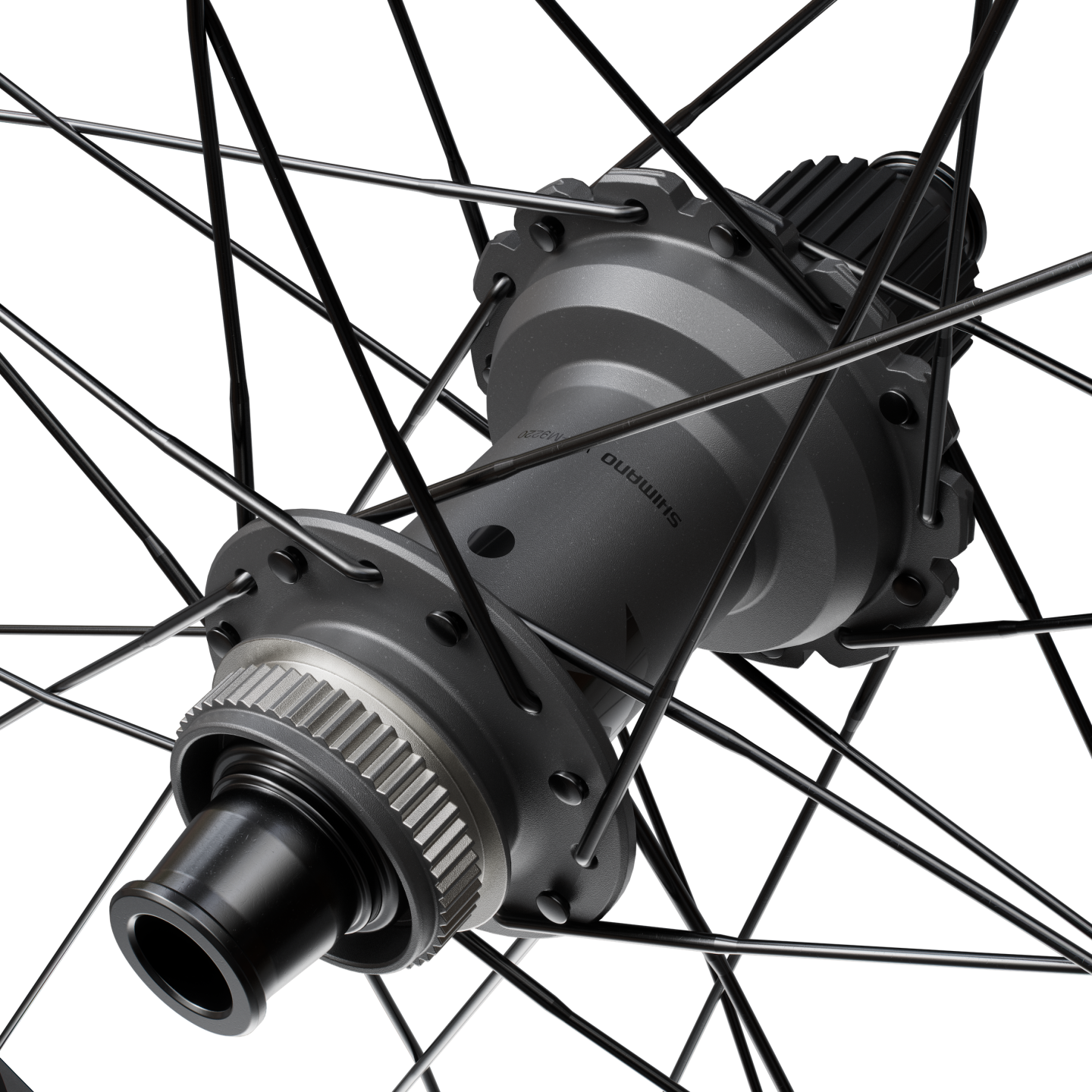
Carbon wheelset
- 3.5-degree engagement.
- Low-drag seals.
- Stainless steel cartridge bearings.
- 29.6mm-wide hooked carbon XC rim.
- 30mm-wide hookless carbon enduro rim.
- 28-hole traditional J-bend stainless steel spokes for the enduro wheelset.
- 24-hole titanium straitlaced spokes for the XC wheelset.
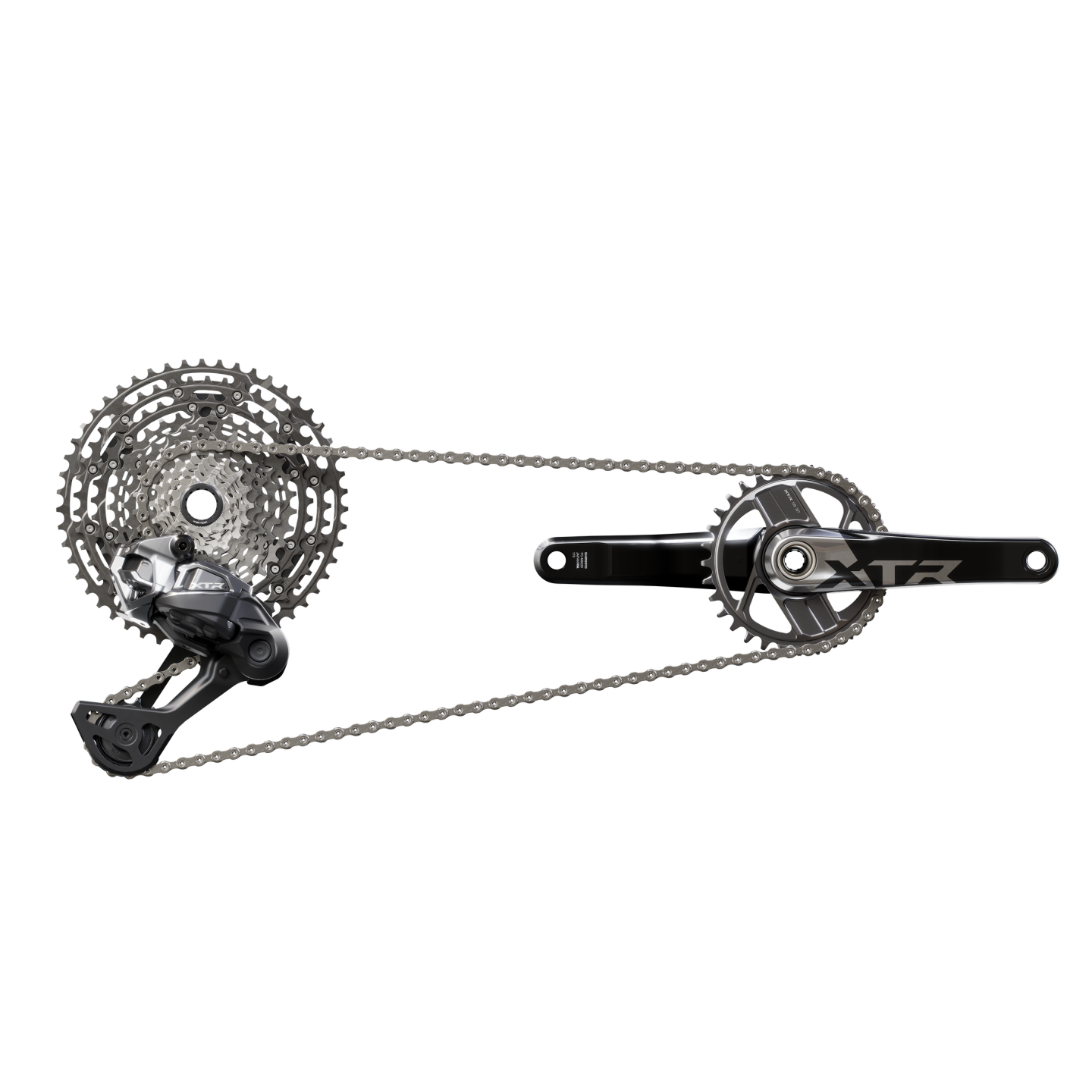
Pricing
- Shimano XTR M9200 Di2 Groupset RRP NZ$5299.99 (Including crank set, chain ring, rotors, and chain).
- WH-M9200 Lightweight XC Wheelset RRP NZ$4199.99.
- WH-M9220 Enduro/Trail Wheelset RRP NZ$2999.99.

Ride impressions
Spoke was able to spend some time riding the new XTR groupset at the picturesque Bike Glendhu near Wanaka. Rain the night before meant heroic dirt for our testing and we made the most of it, putting in multiple laps down a variety of trails.
After just one lap, there was no mistaking that this was a distinctly Shimano set of components. The brakes had the familiar Servo Wave lever feel and power delivery, the new Di2 shifter and derailleur felt crisp and precise, the chain sliding smoothly up and down the Hyperglide+ cassette—everything felt refined and well defined, as you’d expect from Shimano’s top tier groupset. Shimano fans will feel right at home on the M9200 parts.
Most noticeable on our early runs was the shifter haptics. Where Sram has a very fly-by-wire feel, the Shimano has retained something of a trigger-shifter vibe with its new wireless version. The feel of the twin Di2 paddles is very reminiscent of Shimano’s mechanical shifters, albeit with much less force and throw.

As someone who’s favoured mechanical drivetrains in the past, I felt instantly at home with the new shifter. Tucked snugly out of harm’s way under the bar, the shifter’s two discrete levers felt reassuring—like there was less chance of accidentally mashing buttons (or even worse, breaking a shifter) in those moments of chaos that make mountain biking so much fun. If I had to choose a wireless shifter to operate by feel alone, it’d be the new Di2.
At first blush, the new Di2 derailleur follows the trend of muscularity seen in the competition. However, while it’s bulkier than the previous generation, that bulk has been cleverly shaped to keep a low profile where most vulnerable. Shimano says they’ve tried to design it in such a way that it glances and slides off obstacles. If you do hit something, the new automatic recovery feature is designed to bring the derailleur back in line.

It’s worth noting that Shimano chose not to use Sram’s direct mount system, instead opting for the traditional derailleur hanger. The reason for this is unclear, but I suspect it’s to do with patents. The hanger still seems like the weak link in the system, but at least it’s cheap to replace, if tricky to keep straight.
I didn’t get to test out the new derailleur’s ability to shrug off impacts, but the new two-stage, dual-spring tensioner system (which replaces the friction-based tension band of the previous generation) worked flawlessly. It was silent, kept the chain in place both up front and on the cassette, and shifted with the preternatural smoothness Hyperglide+ has become known for. This is a big improvement in terms of performance and probably durability too.

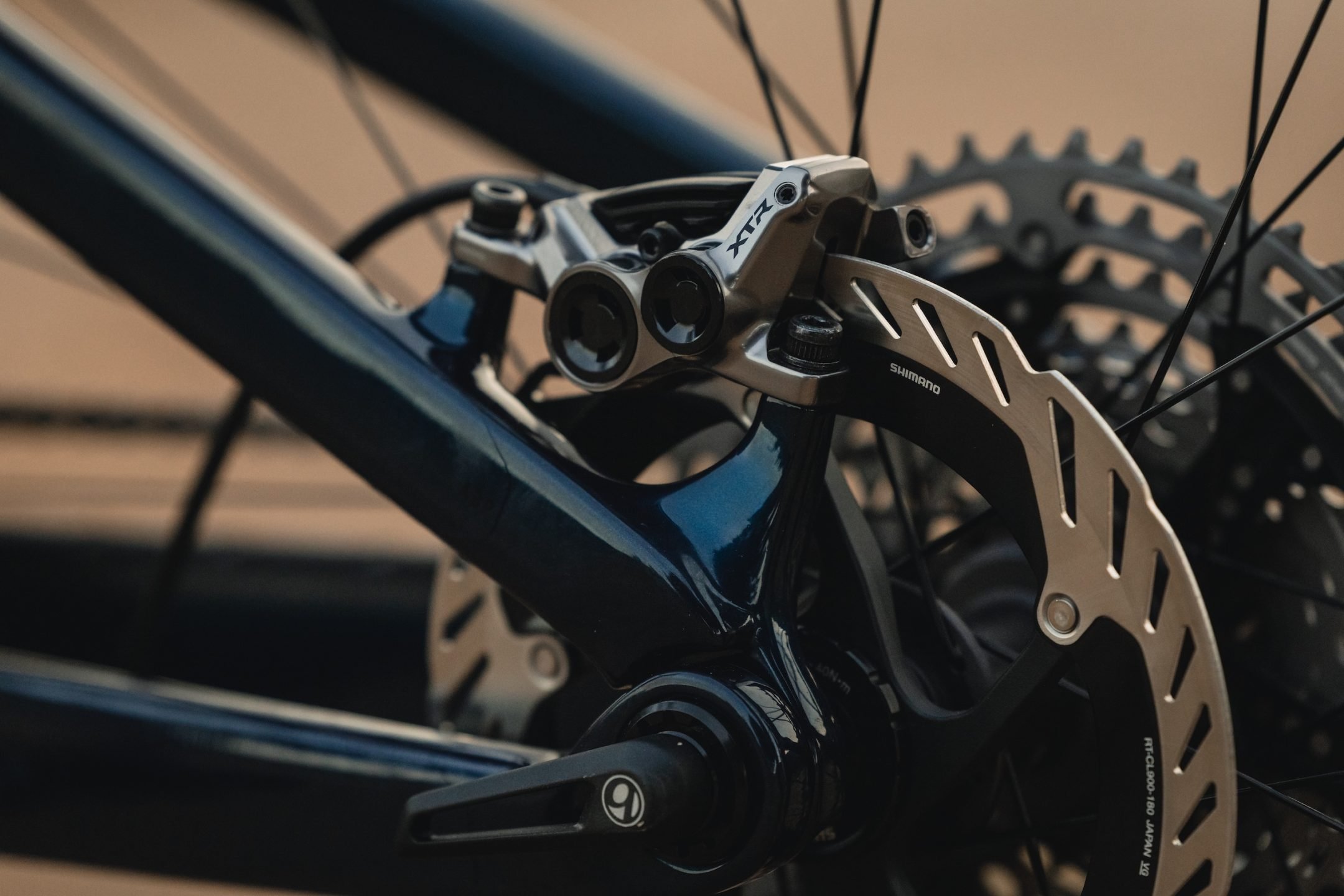
A few laps in and the subtle but significant changes to the brakes became noticeable. A mixed run that included the steep and deeps of Abyss into the face-melting speed of Bay Watch and the rocky chutes of Black Pearl elicited no noticeable change in performance. The new brakes were as powerful and consistent in the first minute as they were in the last. There was no mistaking whose brakes I was riding—the Shimano-feel is still very apparent—they just felt better in a lot of small ways. A fair bit of that could be attributed to the new lower–viscosity mineral oil Shimano is now using, but the updated lever ergonomics likely played a role too. I’ve always enjoyed the feel of a Shimano lever blade, but the new lever geometry gives the lever-swing a more natural feel. This should benefit riders who either run their levers close to the bar or further out.
“Shimano’s new XTR groupset will not only be a hit with the fans but will likely also win over some non-Shimano folks too.”
After multiple laugh-out-loud runs at Glendhu, I left with the feeling that Shimano’s new XTR groupset will not only be a hit with the fans but will likely also win over some non-Shimano folks too. Shimano has not tried to emulate the competition with its new wireless drivetrain but rather created a very different–feeling experience that many people, particularly those coming from mechanical shifting, will vibe with. It’s a Shimano groupset through and through, in the best possible way. I’m looking forward to getting into some deeper testing to see how the changes hold up to the rough and tumble of everyday mountain biking.
To delve further into the details of Shimano’s XTR M9200 Di2 components, head to Shimano New Zealand’s website.